


Burn Prevention
Burns are injuries caused from exposure to fire, heat, or a heat-producing agent (thermal burns). Burns can also be caused by chemical exposure. In 2023, thermal and chemical burns accounted for about 5,100 injury-related emergency department visits, over 400 injury-related hospitalizations, and 45 injury-related deaths were related to burns among Wisconsin residents. The majority of burn injuries occur in the home, where prevention steps can be taken.
Being mindful of the following guidance can lower your likelihood of a burn injury.
Cook safely
Cooking is the primary cause of residential fires. Keeping these tips in mind when preparing your next meal can help you avoid a cooking fire or painful burn.
- Never leave food unattended on a stove.
- Keep pot handles turned inward.
- Keep cooking areas free of towels and other flammable objects.
- When cooking, wear clothes that fit properly and do not have long, loose-fitting sleeves.

Quit smoking
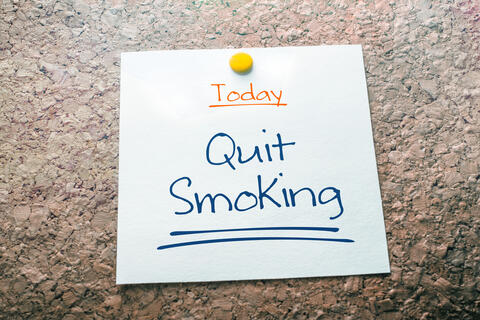
Cigarettes are not only the leading cause of preventable death in the U.S., but they are also the leading cause of fire death. Free help to quit smoking or using other commercial tobacco products is available through the Wisconsin Tobacco Quit Line at 1-800-QUIT NOW (784-8669). If you're not ready to take that step, here are some actions that can reduce your chance of a fire.
- Never smoke in bed or leave burning cigarettes unattended.
- Do not empty smoldering ashes into a trash can.
- Keep ashtrays away from upholstered furniture and curtains.
In addition, remember that alcohol use can decrease awareness and the ability to effectively escape a burn threat.
Use smoke detectors
Smoke alarms are an important tool in preventing burn injuries and can lower the chance of dying in a house fire by 40-50%. Here are some smoke detector tips to remember.
- Install smoke alarms on all levels in the home, including basements and attics, and near rooms where people sleep.
- Use long-life smoke alarms with lithium-powered batteries and hush buttons so you can quiet them without removing the batteries.
- If long-life alarms are not available, use regular alarms and replace the batteries annually.
- Test all smoke alarms monthly to be sure they function properly.

Other considerations
Tips for households with young children:
- Don’t leave containers of hot liquids or food on or near the edge of furniture.
- Don’t carry or eat hot liquids or food while holding a child.
- Don't leave burning candles within reach of young children.
- Always test food temperatures before serving.
- Keep matches and lighters out of children’s reach.
- Keep water heater set at 120-125 degrees Fahrenheit to prevent scalding; test water before placing child in bathtub.
- Cover unused electrical outlets with safety caps.

Recommendations for people with disabilities:
- Make and practice escape routes that accommodate physical disabilities and/or assistive devices.
- Involve others in your safety plan, such as the building manager or a neighbor.
- Introduce yourself to local fire department staff to share information about your needs and to ask for their help in developing the safety plan.
- Ask local emergency dispatchers to keep your special needs information on file.
- If hearing impaired, install and maintain a flashing or vibrating smoke alarm on each level of your home.

Other factors related to burn injury prevention
Age
No matter where one falls within the aging process, their age can play a role in their fire or burn risk. For instance, the decreased hearing some experience as they age may make it more difficult to hear a smoke alarm, delay the discovery of a fire, or make escape more difficult.
Alternatively, young people can sometimes feel like a disaster cannot happen to them or may be unaware of certain fire risks. Misuse of cooking appliances, overloaded electrical circuits, multiple extension cords, unattended candles, ignoring fire alarms when they sound, and unfamiliarity with evacuation routes can increase risk of fires and burns.

Living and workspace hazards
Alternative heating sources such as wood stoves, electric space heaters, kerosene heaters, and fireplaces all pose increased risks of fires and burns. Use of chemicals in farming can also expose skin to abrasives.
Multi-level apartment buildings in urban areas may have bars on windows or locked doors to prevent falls and provide security. Those safety features should have a quick release device allowing them to be opened immediately in an emergency. In addition to knowing how those quick release devices operate, people working or living in high-rise buildings should know the sounds of the building alarms and evacuation plans.

More information about burn prevention and safety
- Thermal burn resources
- Download fact sheets or find a burn center on the American Burn Association website.
- Find fire safety tips and other resources on the U.S. Fire Administration website.
- Chemical burn resources
- Information on symptoms of chemical burns, prevention tips, and first aid guidance is available on the University of Florida Health website.
- Parents, guardians, and adults can find immediate care instructions for children with chemical skin exposure on the Nationwide Children's website.