


Radon Mitigation
Radon is a radioactive gas that comes from the natural breakdown of uranium in the ground. Over time, breathing in radon can cause lung cancer. You can’t see or smell radon, so testing is the only way to know if you and are at risk.
If your radon test results are above 4 pCi/L, hire a certified contractor. Radon mitigation systems should be installed by contractors with proper training. Improper installation could cause more radon in the air, or damages to your home. Most homes can be fixed for about the same cost as other common home repairs, like painting or having a new hot water heater installed. The average cost for a contractor to install a radon mitigation system is $1,000-$2,000. Your costs may vary depending on the size and design of your home and which radon reduction methods are needed.
In December 2025, the Environmental Protection Agency (EPA) published a cost-benefit analysis which shows that radon mitigation provides a positive net benefit to society, especially when comparing with the costs of dealing with lung cancer. The analysis concludes that testing and mitigating existing homes that exceed the EPA's action level of 4 picocuries per liter (pCi/L) leads to a return on investment of up to $15 for every dollar invested. The return on investment for new homes built with radon-reducing features is even higher, up to $53 for every dollar invested. This means that radon mitigation is a financially responsible decision for protecting health!
Follow these steps to find a radon mitigation contractor
- Navigate to the National Radon Proficiency Program (NRPP) or National Radon Safety Board (NRSB) websites.
- Use the dropdown to select “Certified Mitigation Specialist.”
- Type in your zip code. You may be asked to enter your radius preference.
- Click to search.
When the search results appear, you’ll see a number of professionals' names and contact information. We recommend contacting at least three companies for a cost estimate– that way you can make an informed decision on what is best for you.
Note: The NRPP is a larger organization than the NRSB. This is why most radon professionals in Wisconsin are certified with the NRPP. However, both organizations are recognized by the EPA for offering approved radon credentialing services.
How a radon mitigation system works
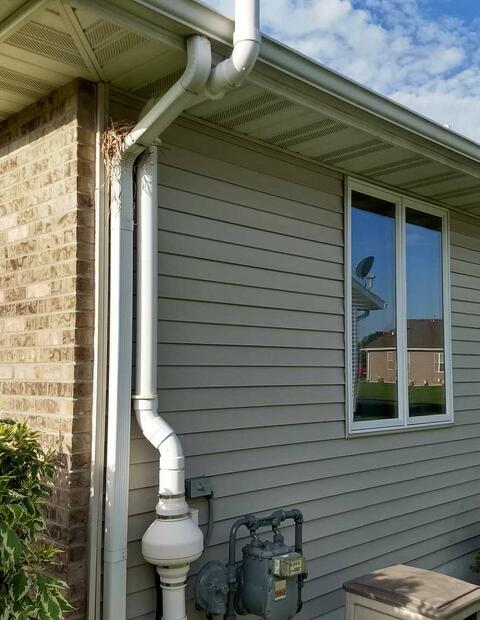
- Radon mitigation systems use sub-slab depressurization to prevent radon from entering your home.
- A contractor will install a pipe in your home or building's foundation. The pipe is connected to a small fan that vents gas to outside the home. Watch this video for more information.
- The system is simple, effective, and energy-efficient (PDF).
- Radon mitigation systems can reduce radon to below 2 pCi/L, reducing the risk of lung cancer.
- The average cost for a contractor to install a radon mitigation system is $1,000-$2,000.
- Hire a contractor who is nationally certified by the National Radon Proficiency Program, or the National Radon Safety Board.
- Sub-slab depressurization is not a do-it-yourself project unless you have considerable contractor skills.
Sealing
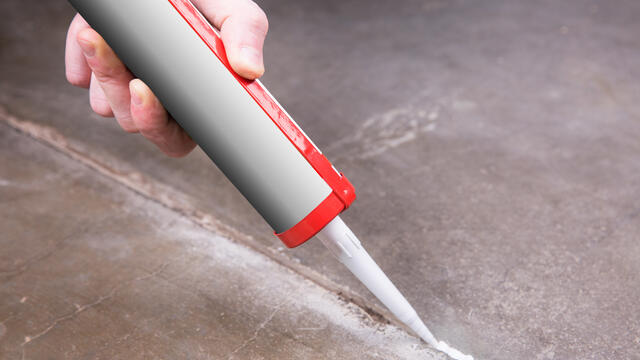
Important note: sealing alone has not shown to reduce radon by a great amount. You can seal in addition to a radon mitigation system. Sealing is more likely to have an impact where there are large cracks. Small crack sealing is not likely to have an impact.
Use caulk to seal cracks and openings in basement floors and walls. The caulk type with the best adhesion to concrete is polyurethane (not silicone).
Radon- resistant construction in new homes
Radon-resistant construction can be built into new homes. Building a radon resistant home from the start can be less expensive than mitigating after the home is built. Learn more at the EPA's webpage, Radon-Resistant Construction.
Questions?
Experts are available statewide to answer your questions and provide radon test kits. Contact your regional Radon Information Center or call 888-LOW-RADON (888-569-7236).