


Climate and Health
The Climate and Health Program studies how climate change harms people's health in Wisconsin and develops ways to reduce those health impacts with local partners. We also use our research to create strategies, tools, and trainings to help communities adapt to climate change and protect the health and well-being of all Wisconsinites. To learn how climate impacts our health and hear real stories of Wisconsinites impacted by climate change, watch four short videos.
Drought
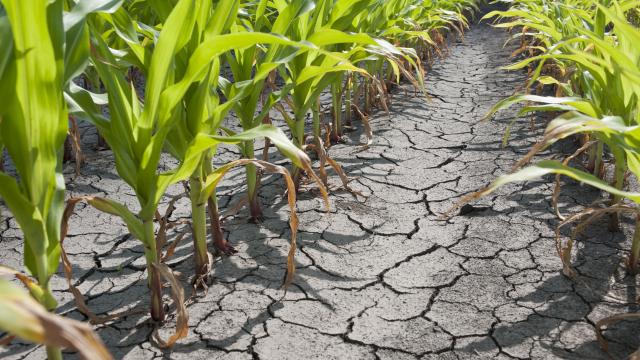
Dust and particles in the air can cause breathing issues, food insecurity, and a decline in water quality and quantity for drinking, recreation, and industry.
Extreme heat
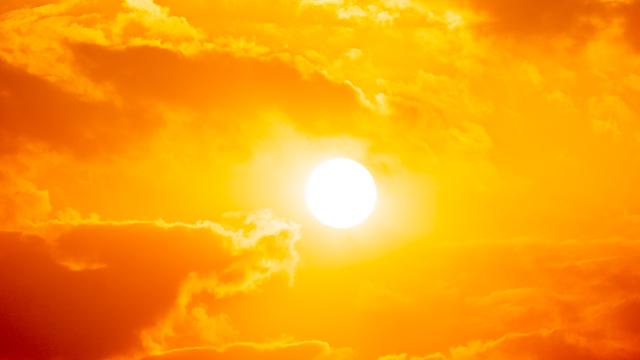
Warm temperatures combined with high humidity can cause heat-related illness and death.
Flooding and recovery
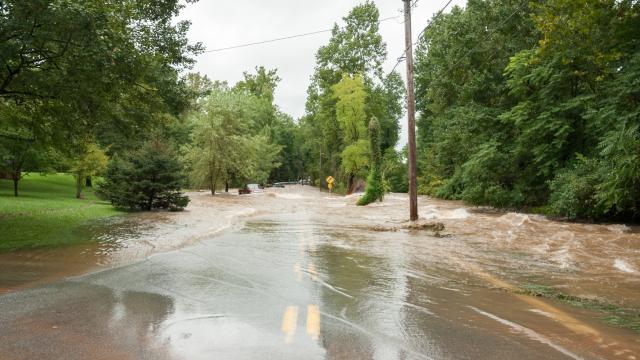
Know how to prepare before a flood hits, stay safe during a flood, and clean up safely when flood waters recede to protect your health.
Infectious diseases

Higher temperatures and more precipitation are bringing new types of ticks and mosquitoes to Wisconsin, spreading new diseases.
Mental health

Climate changes like more severe storms and extreme temperatures can negatively impact our mental health.
Outdoor air quality and health
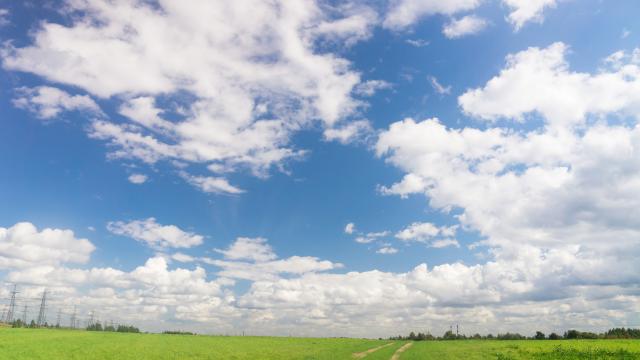
Breathing polluted air can cause health problems ranging from watery eyes and cough, to asthma attacks, heart attacks, and stroke.
Severe storm safety
Heavy rains and high winds from tornadoes and severe storms can cause serious health risks.
Winter weather and extreme cold
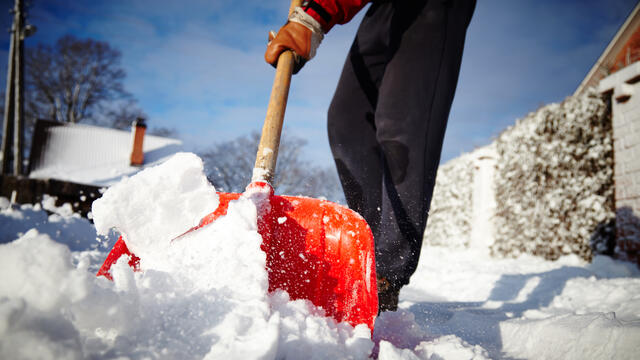
Winter storms often bring heavy snow, ice, extreme cold, and high winds that can harm your health.
Resources and tools
Heat Vulnerability Indices

Explore an interactive map to identify areas and people who are at greater risk of heat-related illnesses.
Summer health hazards data

A dashboard showing near real-time data for boating injuries, drownings, heat illnesses, and respiratory illnesses from air pollution.
Winter health hazards data

A dashboard showing near real-time data for asthma, winter vehicle injuries, carbon monoxide exposure, cold exposure, and falls due to ice or snow.
Resources for health and climate professionals

Tools are available to help health, climate, and emergency response professionals support and inform patients, clients, and communities.
Toolkits

Toolkits for local governments, health departments, or residents to prepare or respond to different weather-related emergencies.
Contact us
For more information, email DHSClimate@dhs.wisconsin.gov or call us at 608-266-1120.