


Nutrition and Physical Activity: Early Care and Education Initiatives
It's crunch time! Be part of the Great Apple Crunch this fall

Gala to Granny Smith, Honeycrisp to Pink Lady, apples are the perfect fall food for snacks, salads, and baking.
Join schools, early care centers, colleges, and other organizations across the Midwest in the Great Apple Crunch throughout the month of October. This event encourages healthy eating while supporting farm-to-school and local food initiatives throughout the Midwest.
Learn how to be part of the Great Apple Crunch
Why early education matters
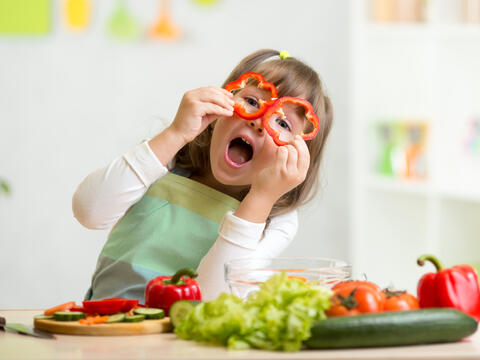
Early childhood is a critical time for building the skills and knowledge children need to support their well-being. Learning early helps children understand nutrition, physical activity, and how to care for their bodies as they grow.
Children learn best through hands-on experiences. Games, movement, and simple activities help children practice positive behaviors and begin forming habits that can last a lifetime—such as nutritious eating, daily routines, and regular physical activity.
Supporting these behaviors early can help lower the risk of chronic diseases, like type 2 diabetes, heart disease, and stroke, later in life. When children have regular opportunities to move, play and learn, positive choices become part of everyday life.
Healthy habits are shaped not only by individual choices, but also by the environments where children live, learn, and play. Homes and early childhood education settings play an important role, along with parents, caregivers, early care and education providers, and health professionals.
Our resources support families and providers in creating supportive environments that make healthy choices easier for all children, now and in the future.
Farm to early care and education (ECE) partners: Building healthy environments for learning
Quality farm to early care and education (ECE) programs provide more than safe spaces—they give children opportunities to build positive eating and movement habits. Support for breastfeeding and infant feeding, hands-on food experiences, farm to ECE activities, and daily movement can help children enjoy nutritious foods and stay active. These routines support children's growth, learning, and overall well-being.
These practical tools and guides help ECE providers to strengthen positive habits in young children and create environments that make nutritious eating and active play easier for all.
Discover resources to help children eat—and LIKE—nutritious foods in your childcare program.
- Read Healthy Bites (PDF) (English).
- Read Healthy Bites (PDF) (Spanish).
- Explore Got Veggies (PDF), a nutrition curriculum for young children.
- Visit the Department of Public Instruction's (DPI) Child and Adult Care Food Program (CACFP) site to learn more about how your childcare program can get reimbursed for feeding nutritious foods at your site.
- Check out the Child and Adult Care Food Program (CACFP) Vegetable & Fruit Snack Menu from the Association of State Public Health Nutritionists (ASPHN) to help childcare providers more easily plan, prepare and provide more nutritious snack options for children.
Interested in gardening and eating locally grown, nutritious foods with young children in your home or childcare program. Explore these resources!
- The Wisconsin Local Foods Database connects ECE providers and schools with local farmers making it easy to find and build partnerships to bring fresh, local foods into meals for children.
- Got Veggies (PDF), a nutrition curriculum for young children.
- Roots in the Ground, a garden-based curriculum for early care and education providers. Registry credit is available.
- Celebrating Seasonality features child-friendly recipes in English and Spanish that use local produce and align with the Child and Adult Care Food Program (CACFP) guidelines.
- UW Extension Harvest of the Month campaign includes The Harvest of the Month Resource Library with resources for early childhood ages available in both English and Spanish, encourages families to eat more fruits and vegetables by featuring a seasonal, Wisconsin-grown fruit or vegetable each month.
Access these trusted resources to expand your opportunities to create healthy habits for young children.
- Rooted is a Wisconsin-based non-profit dedicated to increasing access to local, nutritious foods for communities through garden-based education. Their farm to ECE resources include gardening with children, eating local foods, and how to engage families.
- WECA, through the Wisconsin Early Education Share Services Network (WEESSN), provides tools and resources on healthy eating and farm to ECE activities. The WECA team regularly holds “farm to ECE office hours” where ECE providers can ask nutrition or garden related questions. Registry credit is available for ECE providers who join. Sign up for WECA’s newsletter to learn more.
- The Farm to ECE movement, gaining momentum nationwide, helps increase access to local, fresh foods. The National Farm to School Network provides resources, webinars, and other materials for early care and education providers and support organizations.
- The Department of Public Instruction (DPI) supports farm to ECE through their CACFP program.
Explore resources for active outdoor play to support children's growth and well-being.
YoungStar, Wisconsin’s childcare quality rating and improvement system, gives parents and caregivers tools and information to give their kids a great start and find quality childcare that fits their needs. Additionally, YoungStar offers resources, training, and technical assistance to help Wisconsin’s childcare providers enhance their quality of care.
Recognizing the importance of engaging the childcare community, Go NAPSACC works with childcare providers to help children establish good habits around food, physical activity, and other health behaviors in their early years. Through supportive practices, policies, and environments, these efforts lay a foundation for lifelong health and well-being.
Childcare providers play a vital role in supporting breastfeeding families as parents return to work or school. Early care and education (ECE) programs are key partners in helping babies continue receiving human milk.
Explore a range of breastfeeding resources for tools and best practices.
Healthy Early is a coalition of community members and professionals dedicated to supporting healthy eating and activities for children and their families. They host quarterly meetings for individuals interested in advancing quality early care and education. Contact the Chronic Disease Prevention Program at DHSChronicDiseasePrevention@dhs.wisconsin.org to join.
The Wisconsin Farm to Early Care & Education (ECE) Workgroup began in 2015 to bring together a wide variety of people, including state agencies, nonprofits, policymakers, educators, and trainers who have joined Farm to ECE efforts. The workgroup supports information sharing and opportunities to collaborate across Wisconsin to support children, ECE providers, families, and local farmers and food producers through its statewide network, working toward a more just food system that values every child and provides them with quality educational experiences and quality food for their growing bodies. Join the Wisconsin Farm to ECE Workgroup email list, which includes meeting event invitations.
Families and caregivers: Healthy habits begin at home

Good nutrition and regular physical activity start at home. Parents and caregivers are children's first and most important role models. Young children learn by watching and imitating the adults in their lives, so how we eat, move, and play can have a lasting impact.
There are many fun ways to help children develop healthy habits—from exploring colorful fruits and vegetables at a local farmers market to planting a garden together. Simple daily routines, like sharing family meals or playing outside, can make nutritious eating and active play enjoyable for the whole family.
Healthy Early at Home (PDF) is a helpful resource for families and caregivers looking to build healthy habits at home. It offers practical information on supporting nutritious eating, active living, and mental health for young children. This material is presented by Healthy Early, a Wisconsin early childhood coalition dedicated to improving the health of children, families, and communities.
Family Resource Centers (FRCs) offer no cost or low-cost activities, resources, referrals and services that are available for and strengthen all families. They reflect and are responsive to the specific needs, cultures, and interests of the communities they are in. Learn more and find an FRC.
The Special Supplemental Nutrition Program for Women, Infants, and Children (WIC) helps increase access to nutritious food for many Wisconsin families. WIC serves people who are pregnant, breastfeeding, or post-partum, as well as infants and children up to age 5. Families enrolled in WIC may also qualify for the WIC Farmers Market Nutrition Program which provides additional benefits to spend at local farmers markets.
Federal funding statement
This program is supported by the CDC (Centers for Disease Control and Prevention) of the U.S. Department of Health and Human Services (HHS) as part of a financial assistance award totaling $888,000 with 100 percent funded by CDC/HHS. The contents are those of the author(s) and do not necessarily represent the official views of, nor an endorsement, by CDC/HHS, or the U.S. Government.