


Physical Activity and Nutrition: Food System Initiatives
Get more fruits and vegetables with Double Up Food Bucks

Double Up Food Bucks Wisconsin is a statewide healthy food incentive program that matches FoodShare purchases with additional dollars to spend on fruits and vegetables. When you shop at participating farmers markets, grocery stores, food cooperatives, CSA programs, and other eligible locations, you receive a dollar-for-dollar match, up to $20 per week.
Get program details and locations
Why access to nutritious food matters
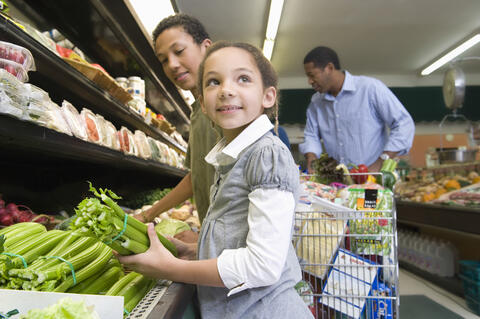
Good nutrition is important at every stage of life, starting in infancy. Children need fruits, vegetables, and other nutritious foods to grow strong and stay healthy. Adults also benefit from nutritious eating, yet only one in ten adults in the U.S. gets the recommended daily amount of fruits and vegetables. Studies show that people with consistent nutritious eating patterns are more likely to live longer and have a lower risk of serious health issues like heart disease, stroke, and type 2 diabetes.
Many people in Wisconsin live in communities where it is hard to find or afford nutritious foods. Limited nearby grocery stores, transportation challenges, higher food costs, and widespread availability of less nutritious foods can make healthy choices difficult. These barriers may be more common in rural areas, Tribal Nations, and lower-income neighborhoods, and they also can affect people with disabilities or different food traditions. When nutritious foods that reflect preferences aren't available, it becomes more difficult to eat well.
Improving access to nutritious foods can help support nutrition security and help everyone make healthier choices. Solutions range from helping consumers select nutritious options to supporting food retailers, restaurants, food banks and pantries, and other food service operations in sourcing and providing foods that meet the needs and preferences of the communities they serve.
Innovative cross-sector partnerships show potential to increase access to nutritious foods
Food is a critical driver of health. Improving access to nutritious foods requires a multifaceted approach. Alliances that connect health care providers with food producers and retailers to integrate nutritious foods into care. At the same time, incentive programs help households stretch their food budgets, making fresh fruits and vegetables more affordable. Together, these and other strategies show how cross-sector collaboration can advance both nutrition and overall health.
Food is Medicine (FIM) is a growing movement working to improve health by increasing access to minimally processed nutritious foods. The goal of this movement is to prevent, manage, and treat chronic disease, such as type 2 diabetes, cardiovascular disease, and cancer. Many FIM strategies involve partnerships between health care clinics and providers, local public health professionals and community-based organizations, and local food sources.
We support a range of active Food is Medicine (FIM) initiatives in Wisconsin including the new Medicaid Medically Tailored Meals benefit. The CDPP, in partnership with the Maternal Child Health program at DHS, plays a key role in providing strategic planning and funding to support the Wisconsin Food is Medicine Coalition.
The coalition brings together health care providers, payers, community-based organizations, state agencies, and local food producers to advance this work. Email DHSChronicDiseasePrevention@dhs.wisconsin.gov to join the coalition's monthly meetings.
One way to increase access to nutritious foods is to work with food retail outlets, including farmers markets. It’s essential that these outlets accept a wide range of currencies, including federal nutrition assistance benefits, like SNAP (called FoodShare in Wisconsin) and WIC. This allows a wider range of customers to access nutritious foods in their own communities. Farmers markets and farm stands can be authorized to accept FoodShare and can participate in the WIC and Senior Farmers Market Nutrition Programs. Using these programs enhances access to nutritious food and supports local economies and food systems.
Nutrition incentive programs help close the nutrition gap for families with limited incomes by increasing purchasing power and access to fruits and vegetables. These programs, found at farmers markets and other retail outlets across Wisconsin, offer an incentive, often doubling the value of your SNAP purchases, to purchase fruits and vegetables. Common program names include “double-up bucks” or “market match”.
The Chronic Disease Prevention Program (CDPP) co-facilitates the Wisconsin Nutrition Incentive Network (WINI) with University of Wisconsin-Madison Division of Extension. WINI’s goal is to support, expand, and unify SNAP nutrition incentive programs across Wisconsin. WINI is open to anyone interested in learning more.
Double Up Food Bucks Wisconsin
Double Up Food Bucks Wisconsin is a statewide healthy food incentive program that matches FoodShare purchases with additional dollars to spend on fruits and vegetables. When you shop at participating farmers markets, grocery stores, food cooperatives, CSA programs, and other eligible locations, you receive a dollar-for-dollar match, up to $20 per week.
Get program details and locations
FoodShare at farmers markets
FoodShare users can use EBT (Electronic Benefits Transfer) at local farmers markets.
The WIC Farmers Market Nutrition Program (FMNP)
FMNP links WIC participants with Wisconsin farmers making it easier to buy fresh, local foods at farmers markets.
The Senior Farmers Market Nutrition Program (Senior FMNP)
Senior FMNP) provides older adults with fresh, locally grown produce, while supporting Wisconsin farmers, markets, and farmstands.
Targeted strategies within key sectors strengthen food access
Specific strategies within key sectors help strengthen access to nutritious foods. Programs and guidelines for food banks and pantries, food service providers, schools and community centers make it easier for the people they serve to access nutritious options.
Federal food assistance programs like SNAP and WIC are a first line of defense against food insecurity but they often do not fully meet household nutrition food needs. Food banks, food pantries, and meal programs help to fill these gaps and play an important role in local food systems.
Many food banks and pantries are working to increase access to nutritious, affordable, and culturally preferred foods. Policy, systems, and environmental change strategies—such as adopting nutrition policies, building partnerships with food donors, and improving food storage and display—can support these efforts. These approaches help organizations strengthen local food systems, increase the availability of healthier foods, and make nutritious choices easier for the neighborhoods and communities they serve. These resources can help food pantries and food banks increase their supply of nutritious food, helping Wisconsinites across the state.
Eating meals prepared away from home is common for many people. Places where food is served can help shape food and beverage choices by what is offered, how items are priced, and where they are placed.
Food service guidelines can improve healthy food choices where foods and beverages are sold, served, and distributed while supporting practices that make nutritious choices easier when dining out or on the go. These resources offer suggestions to increase the availability of nutritious options and strengthen systems that support consistent positive changes over time.
Schools and community centers play a key role in increasing access to nutritious foods. Explore resources for more ways to bring more fresh fruits and vegetables into your community.
Farm to School (F2S)
The Farm to School (F2S) movement promotes the use of locally and regionally grown foods in schools. F2S activities and initiatives can include nutrition education in classrooms, farmer visits, signage promoting local foods, serving local foods in the cafeteria, school gardens, and so much more! Explore resources to establish a F2S program to your community:
- Department of Public Instruction Farm to School Program
- Rooted Farm to School resources
- National Farm to School Network
Got Dirt?

To help increase fruit and vegetable consumption in Wisconsin, the DHS' State Physical Activity and Nutrition (SPAN) program developed Got Dirt? The program supports development of school, community, and child care center gardens.
New to gardening? The Got Dirt? Garden Toolkit provides simple, step-by-step guidance for getting started, along with tips from garden experts and success stories from across the state.
Download "Got Dirt?" P-40112 in English or Spanish
Note: The PDF version of the Got Dirt? Garden Toolkit is very large and may take a long time to open and/or print.
Got Veggies?
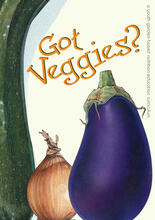
Got Veggies? is a garden-based nutrition education curriculum created with the goal of getting children to eat more fresh fruits and vegetables. The material features seven full lesson plans that are aligned with Wisconsin's Model Academic Standards for Nutrition, Health, Science, and other related subjects.
A series of shorter garden-based activities are also included, as well as fun recipes and helpful tips for cooking and eating in the garden. This curriculum provides an all-around great way to nurture students’ interest in growing and eating fresh fruits and vegetables!
Helping families and individuals access affordable, nutritious foods
Food choices are shaped by more than personal preference. Where people live, learn, work, play, and gather can all influence what foods are available and appealing.
These resources help people access nutritious foods and find practical ways to make nutritious choices within their everyday lives.

The Supplemental Nutrition Assistance Program (SNAP) provides food benefits to families with limited income to supplement their grocery budget. After submitting proof of eligibility, SNAP recipients get an EBT card that has money added to it monthly.
FoodShare is the term for the Wisconsin SNAP program. Previously known as food stamps, FoodShare improves food access and reduces hunger and poverty for over 650,000 Wisconsinites. The Special Supplemental Nutrition Program for Women, Infants, and Children (WIC) serves people who are pregnant, breastfeeding, or postpartum, as well as infants and children up to age five. WIC provides nutrition education, breastfeeding support, monthly stipends for nutritious foods, and referrals to health services and other resources.

Farmers markets and local farm stands make fresh local foods easier to access in neighborhoods. They give families the chance to select fruits, vegetables, and other nutritious foods while supporting local farmers and producers.
- Access the Discover Wisconsin Farmers Markets resources to learn more about your local markets
- Search the Farm Fresh Atlas to find local food
Community Supported Agriculture (CSA) is a way for people to buy fresh food directly from local providers. People purchase a subscription to receive deliveries of the farm's recent harvest on a regular basis.
- Find a CSA through the FairShare CSA Coalition
- Learn about ways to access discounted CSA memberships
Federal funding statement
This program is supported by the CDC (Centers for Disease Control and Prevention) of the U.S. Department of Health and Human Services (HHS) as part of a financial assistance award totaling $888,000 with 100 percent funded by CDC/HHS. The contents are those of the author(s) and do not necessarily represent the official views of, nor an endorsement, by CDC/HHS, or the U.S. Government.