


Lead-Safe Wisconsin: Tenants, Stay Safe From Lead
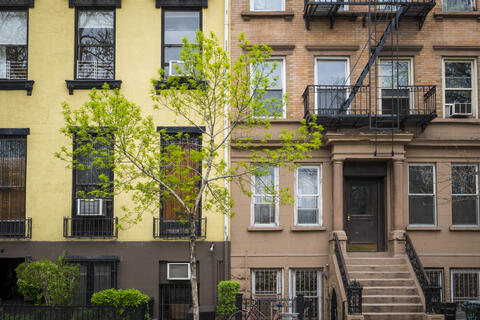
If you rent a home or apartment built before 1978, there may be lead-based paint hazards in your home. These hazards can put children, pregnant people, and other residents at risk of serious health problems.
All tenants have the right to know if their landlord has information about whether the building contains lead hazards.
Your right to know about lead hazards
The federal Lead-Based Paint Disclosure Rule has rules for landlords. Before renting a unit built before 1978, they must take specific steps.
Before you rent, your landlord must...
- Tell you about any known lead-based paint or hazards on the property.
- Give you the EPA brochure: Protect Your Family from Lead in Your Home. This explains how to reduce lead risks.
- Provide a Lead Disclosure Form (PDF). This must:
- Be filled out and signed by the landlord.
- List any known lead hazards.
- Be signed by you, the tenant, to confirm that you received the required information.
You can learn more at the EPA's website: Real Estate Disclosures About Potential Lead Hazards.
What is the Lead Disclosure Form?
The Lead Disclosure Form (PDF) is a legal document. It confirms your landlord followed federal requirements. When you sign this form, you are not agreeing to live in unsafe conditions. The form simply confirms:
- You were informed of any known lead hazards.
- You received the EPA brochure: Protect Your Family from Lead in Your Home.
- You understand your rights.
Your landlord must provide you with this form and tell you about all known lead hazards. If a landlord does not do this, they may be breaking federal law.
Renovation work must be lead-safe
Construction or maintenance work on older buildings can disturb lead paint. Wisconsin's Lead-Safe Renovation Rule protects tenants when work is happening.
If you live in a building built before 1978, there are rules your landlord must follow. When doing renovation, repair, or painting work, your landlord must:
- Hire a certified lead-safe renovator or company.
- Use proper containment and cleanup methods to prevent lead dust.
- Post warning signs and keep residents out of work areas.
- Complete a cleaning verification when work is done.
Unsafe work practices can increase your risk of lead exposure. If renovation is happening, look out for:
- Paint chips in your unit or common areas.
- Poorly contained work areas.
- Unclear signage or no clear warning signs about the work.
What you can do as a tenant
You don't need to be an expert to protect your household. Here are steps that you can take:
- Read the EPA brochure: Protect Your Family from Lead in Your Home provided by your landlord.
- Inspect your home regularly for peeling or visible paint.
- Request repairs in writing if you see deteriorating paint.
- Get your child tested for lead, especially if they are under age six.
- Visit Wisconsin DHS's page about sources of lead to learn how to identify and protect yourself from all sources.
What to do if your landlord doesn't comply with these regulations
The EPA enforces lead-based paint laws. If you did not receive the disclosure information on lead-based paint or lead-based paint hazards when you rented a pre-1978 building, report this information to the EPA.
If you are concerned that your landlord is not following Wisconsin's lead-safe renovation rule, you can speak with a professional to get more information. You can also submit an anonymous complaint. Wisconsin's Certification and Field Compliance team will investigate.
More resources
Was your building constructed before 1978? Even if you don't own the building, the Lead-Safe Homes Program may be able to help.
For more information, visit: