


Substance Use: Risk Mitigation
Improving outcomes for people who use drugs in Wisconsin

Risk mitigation is an evidence-based public health approach to prevent overdoses and the spread of infectious diseases, like HIV and hepatitis C. Risk mitigation focuses on empowering people who use drugs to make safer choices to prevent negative health outcomes.
People mitigate risk every day to keep themselves safe. Wearing seatbelts and helmets, driving the speed limit, and exercising are everyday examples of risk mitigation.
Mitigating the risks associated with substance use is not enabling, condoning, or endorsing of drug use. Risk mitigation reduces the harms associated with substance use by providing life-saving overdose and infectious disease prevention and response services.
Benefits of risk mitigation programs
Risk mitigation programs keep communities safe by providing life-saving resources and education to prevent overdose and the spread of infectious diseases. Risk mitigation programs often distribute naloxone, a medicine that reverses overdoses, and infectious disease prevention supplies that keep people safe, healthy, and alive.
People accessing risk mitigation programs receive referrals to mental health services, substance use disorder treatment, and medical care, and are five times more likely to enter treatment for substance use disorder. Risk mitigation programs also help prevent the spread of infectious diseases by offering testing and treatment services. These programs also work with law enforcement to provide them with tools to safely respond to calls involving substance use.
What do risk mitigation programs look like?
Risk mitigation programs provide life-saving overdose and infectious disease prevention services that improve health outcomes and connect people to resources. Risk mitigation programs include a range of services:
Overdose education and naloxone distribution
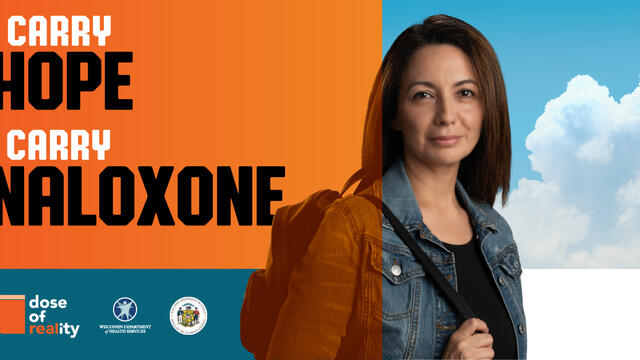
Naloxone is a medication that can reverse an overdose caused by an opioid drug like fentanyl, heroin, or prescription pain medications. Naloxone is widely available in Wisconsin.
Drug checking technology

Fentanyl and xylazines test strips indicate when either substance is present in a drug supply.
Public health mobile units

Wisconsin's Public Health Outreach and Response Team (PHORT) seeks to enhance and expand overdose and infectious disease prevention services in Wisconsin to reduce drug-related deaths and other harms.
Overdose Prevention Technical Assistance Centers (TACs)

TACs provide support to newly formed overdose prevention organizations who connect people who use drugs with resources.
Substance use statistics

DHS collects and analyzes data to identify where communities are struggling, help tailor our response, and show improvements in health and wellness.
Training
Safety First: Comprehensive, risk mitigation-based drug intervention curriculum for high school students.
Resources
- Risk Mitigation Resources in Rural Wisconsin (PDF): This fact sheet provides an overview of risk mitigation services available statewide.
- Wound Care, P-03770 (PDF): This brochure provides an overview for how to identify and care for wounds.
- Risk Mitigation: Keeping Communities Healthy, P-03512 (PDF): This fact sheet provides an overview of risk mitigation and the importance of using risk mitigation for overdose and infectious disease prevention.
- Public Health Outreach and Response Team Supplies, P-03477 (PDF): This flyer provides an overview of the supplies the Public Health Outreach and Response Team has available. Learn more about PHORT to see when they will be in your area or reach out for delivery.