


Wisconsin Coverdell Stroke Program: BE FAST
Stroke prevention, detection, and recovery resources
Knowing how to prevent stroke, recognize the warning signs, and support recovery can make a difference in our communities. Explore these resources to learn about stroke risk factors, identify signs of a stroke, and connect with information about stroke recovery.
Whether you’re looking to build your own knowledge or share information with others, these materials can help you raise awareness and take action against stroke.
Stroke prevention
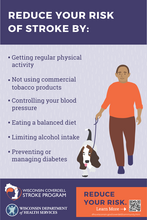
Most strokes can be prevented through healthy lifestyle choices and management of existing health conditions. Learn more from the CDC (Centers for Disease Control and Prevention) at Prevent Stroke: What Can You Do.
Learn about conditions that can increase your chance of stroke and transient ischemic attack (TIA).
The Wisconsin Department of Health Services (DHS) offers resources to help people prevent and understand conditions like prediabetes, heart disease, and commercial tobacco prevention and treatment. Other programs help communities address statewide physical activity and nutrition (SPAN).
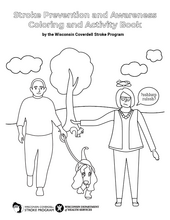
Meet Risk Factor Rick, one of our stroke awareness characters, designed to help raise awareness of risk factors. Explore and share Rick's educational materials to help spread the word about reducing stroke risks

Signs of stroke
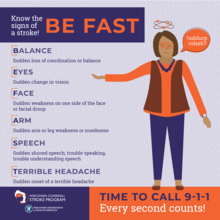
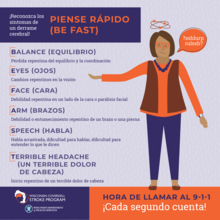
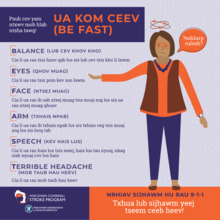
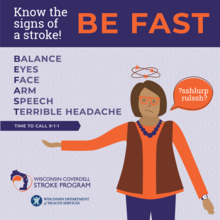
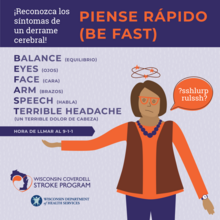
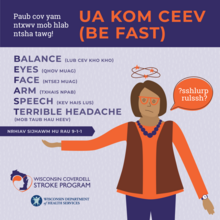
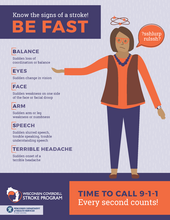
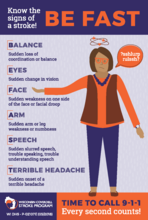
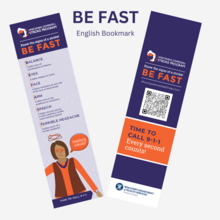
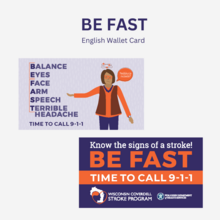
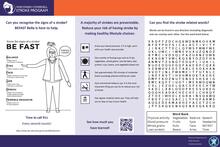
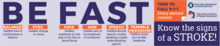
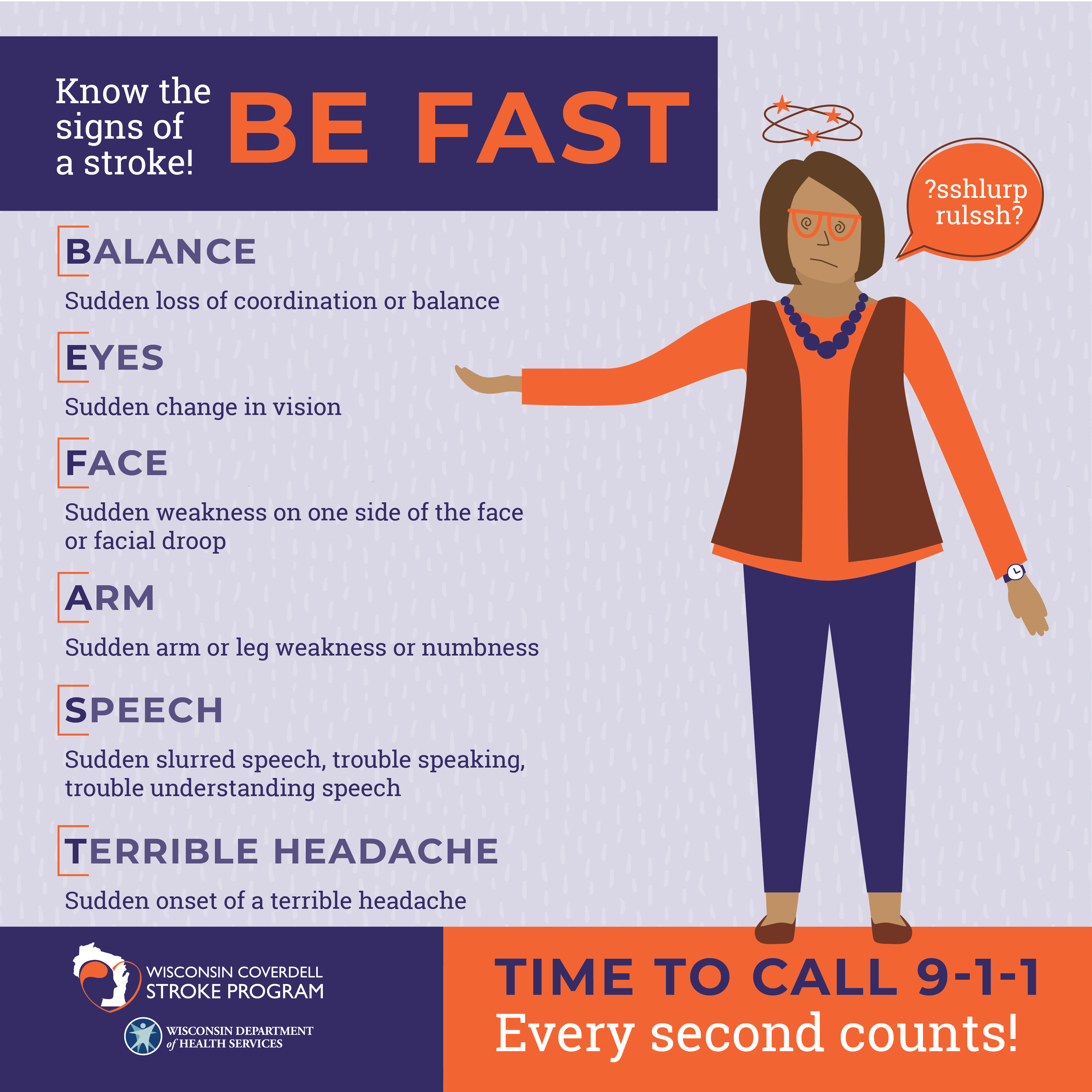
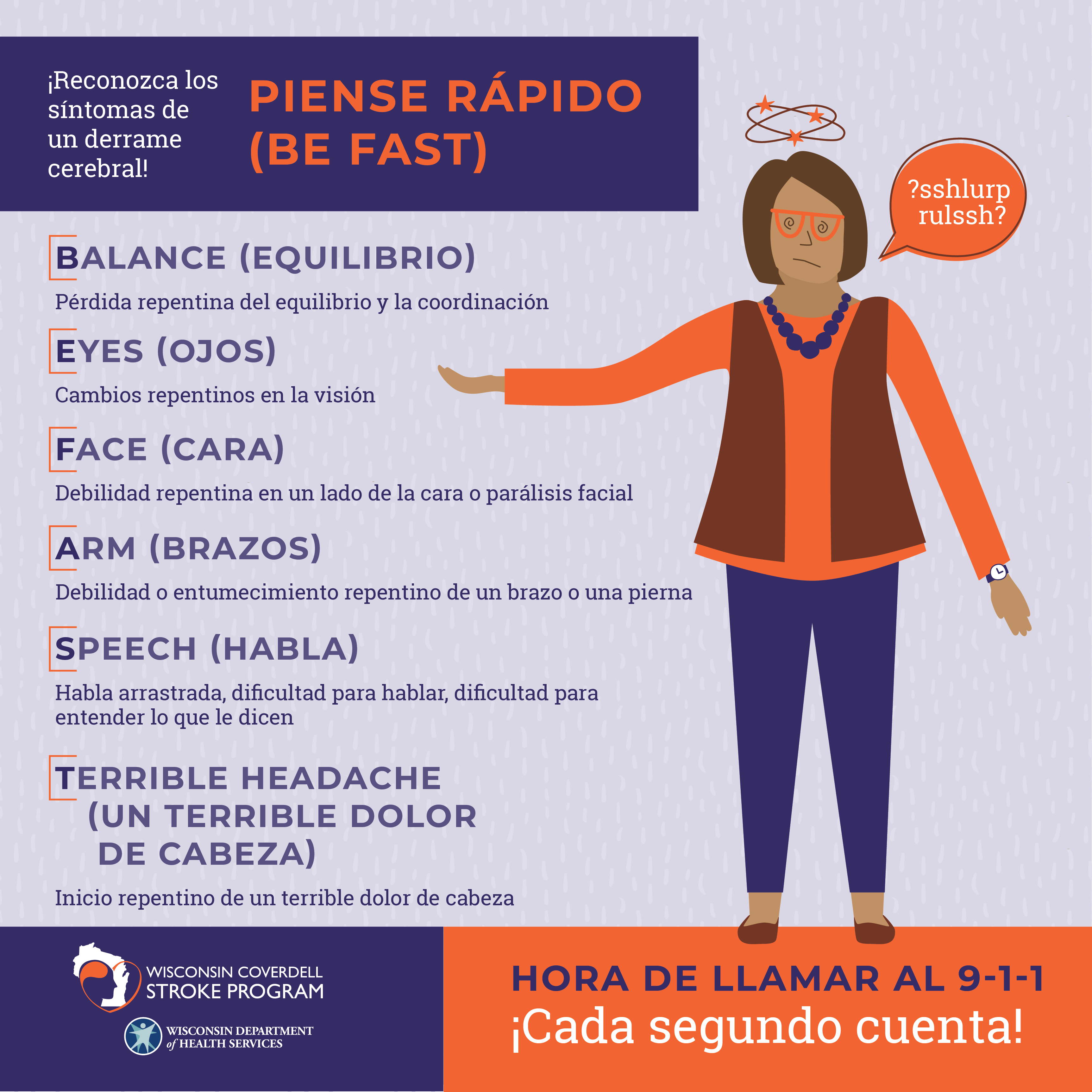
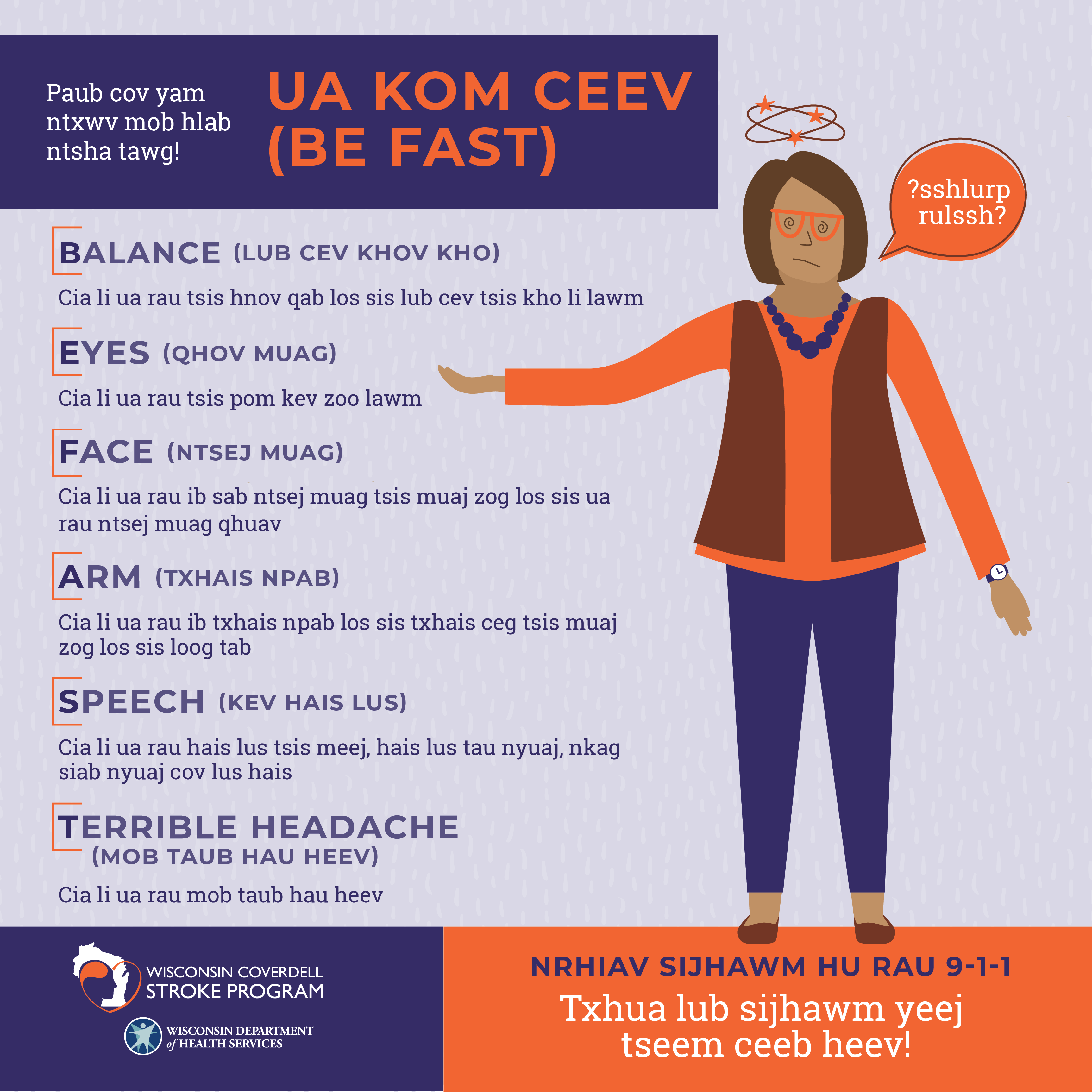
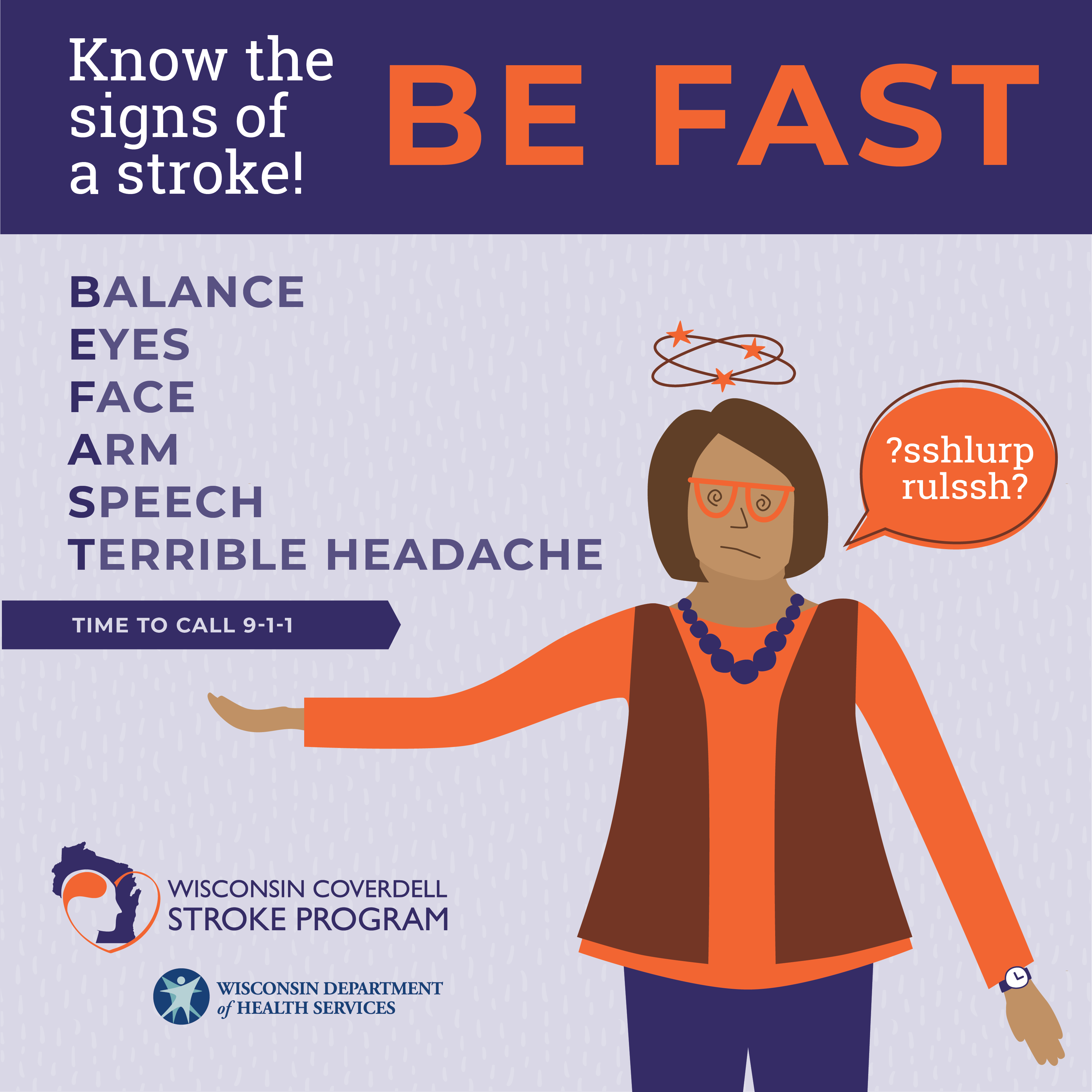
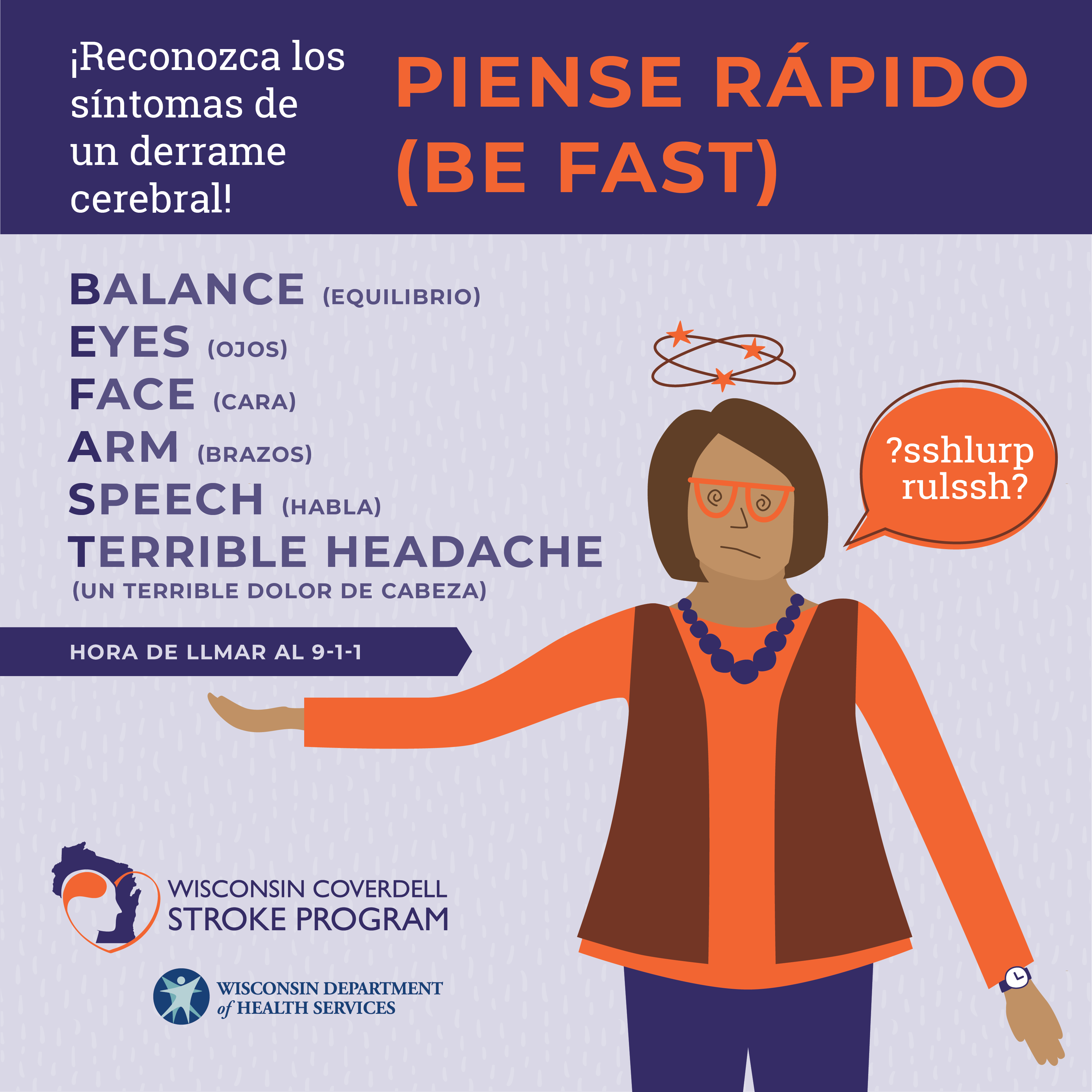
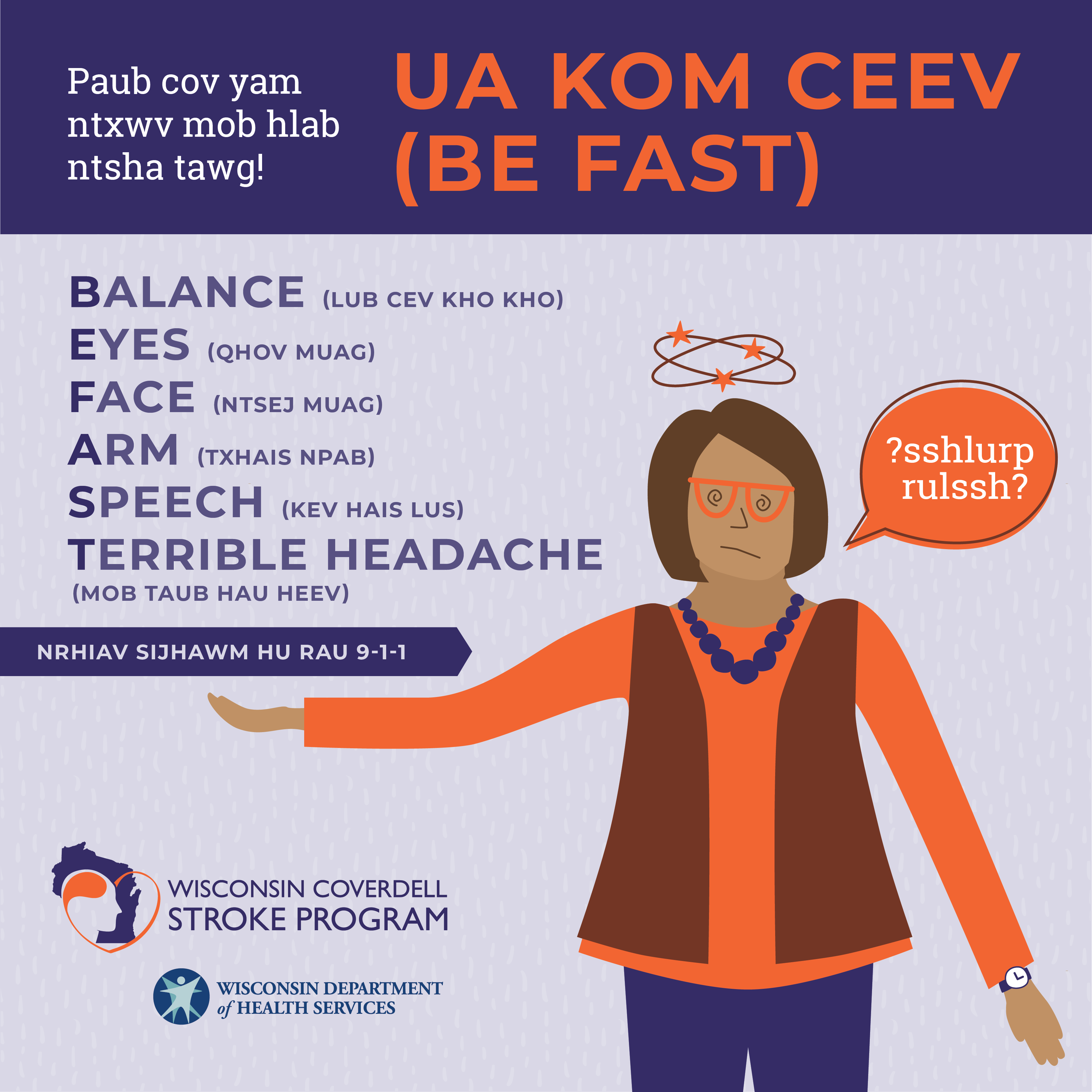
Recognizing the signs of stroke and acting quickly can save lives and reduce the risk of long-term disability. The BE FAST acronym helps people recognize the six most common stoke symptoms and the importance of calling 911 for timely care.
BE FAST stands for:
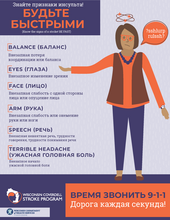
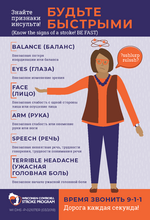
B—Balance: Sudden loss of coordination or balance.
E—Eyes: Sudden change in vision.
F—Face: Sudden weakness on one side or facial droop.
A—Arm: Sudden arm or leg weakness or numbness.
S—Speech: Sudden slurred speech, trouble speaking, or trouble understanding speech.
T—Terrible headache: Sudden onset of a terrible headache.

Understand the types of stroke
Stroke occurs when blood flow to the brain is interrupted or when bleeding occurs in the brain.
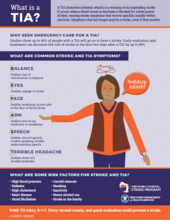
A TIA is a warning of an impending stroke.
It happens when a blood vessel in the brain is blocked for a brief period of time, causing stroke symptoms that recover quickly, usually within one hour.
Symptoms that last longer may be a stroke, even if they resolve.
Ischemic strokes account for about 87% of all strokes (American Stroke Association). It happens when a clot blocks blood flow to the brain. There are two types of ischemic stroke:
- Thrombotic strokes which are caused by a clot that forms in an artery that supplies blood to your brain.
- Embolic strokes happen when a clot forms somewhere else in your body and moves through the blood vessels to the brain.
Hemorrhagic strokes account for about 13% of all strokes. It happens when a blood vessel ruptures causing bleeding in the brain. These are subdivided into two groups:
- Intracerebral hemorrhages (ICH) are caused by the brain tissue bleeding.
- Subarachnoid hemorrhages (SAH) usually happen when a blood vessel bursts in the brain (aneurysm). A sudden, terrible headache is the main symptom of this type of hemorrhagic stroke.
Meet BE FAST Bella, our stroke awareness character, designed to help people learn and remember the signs of stroke. She reinforces the importance of recognizing symptoms and acting quickly. Explore and share BE FAST Bella materials to help raise awareness and encourage timely emergency care.
Post-stroke care
Recovery looks different for everyone. Rehabilitation and ongoing support can help stroke survivors work toward greater independence and adjust to life after stroke.
Stroke rehabilitation may include:
- Cognitive behavioral therapy (CBT) helps individuals identify and change thought patterns that have a negative influence on their behavior and emotions. CBT can help people cope with anxiety, frustration, anger, and depression after a stroke.
- Occupational therapy helps individuals improve skills related to daily life so they can live as independently as possible.
- Physical therapy helps individuals regain or improve physical abilities using exercises and equipment.
- Speech therapy involves personalized care plans to improve communication after a stroke.
Community resources and support networks can help stroke survivors and their loved ones navigate through recovery and connect with others who understand their experiences. Find a stroke support group near you with American Heart Association's Stroke Support Group Finder.
Spread stroke awareness in your community
Social media resources
Follow these steps to share stroke awareness messages through your social media channels.
- Click the link to download an image. These images are sized to work on most popular social media platforms.
- Right click to save the image on your computer.
- Prepare your post text and link (See our sample language for ideas).
- Add the hashtag #strokeawareness
- Complete (or schedule) the post in your usual manner.
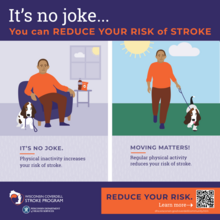
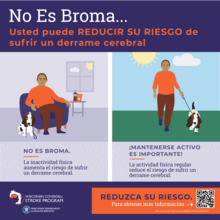
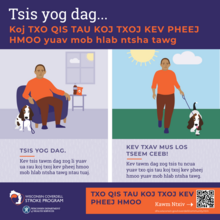
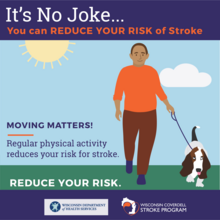
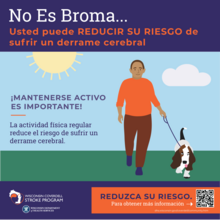
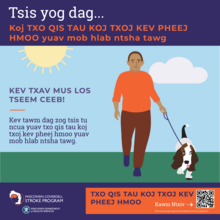
Sample post to encourage physical activity
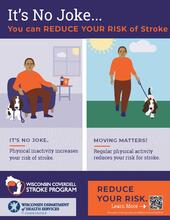
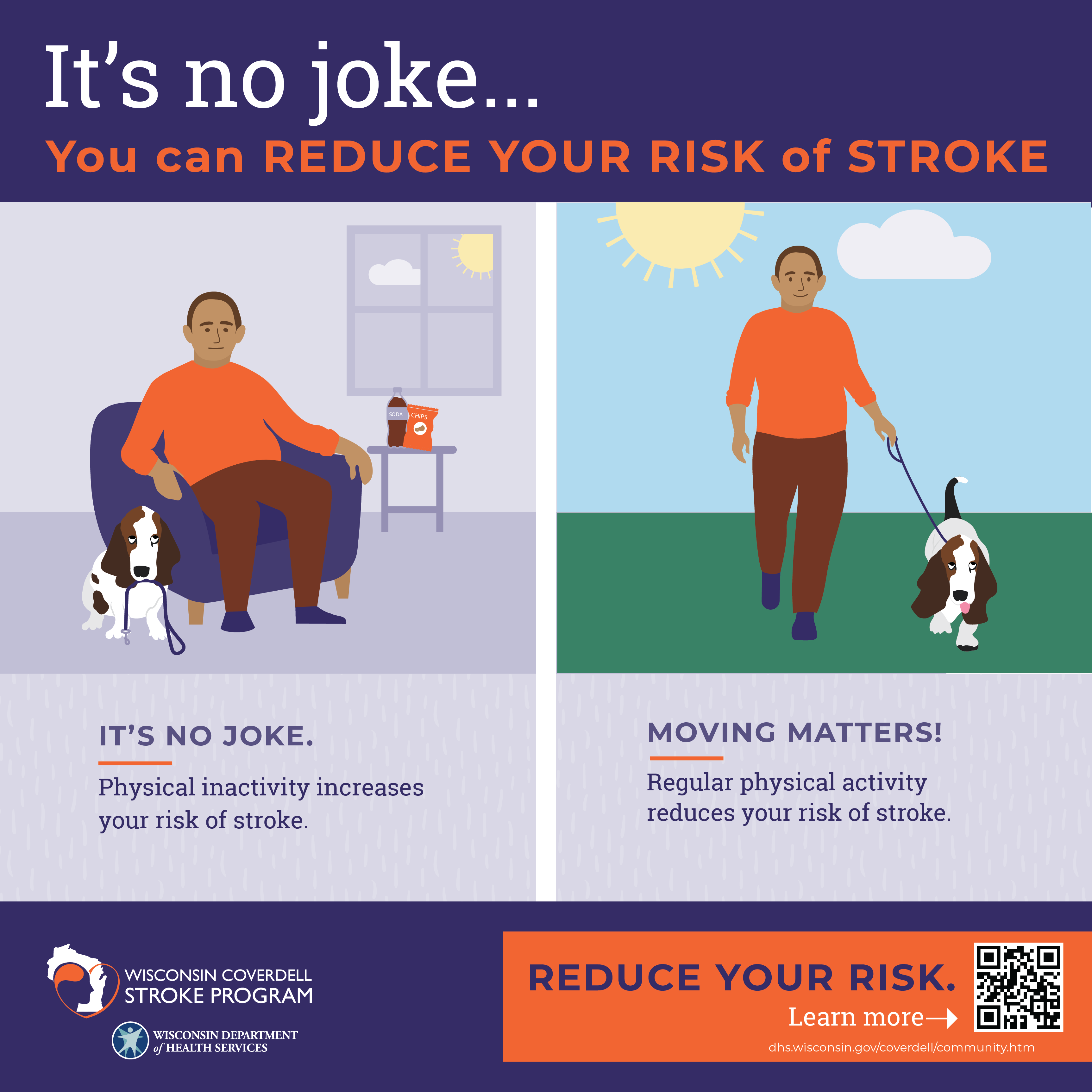
Physical activity reduces your risk for #stroke. It lowers both anxiety and blood pressure, and it improves the quality of sleep. Learn more about the benefits of physical activity at
https://www.cdc.gov/physical-activity/php/about/index.html
Sample post to highlight managing blood pressure
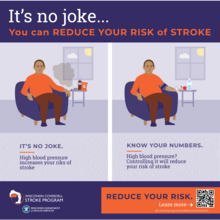
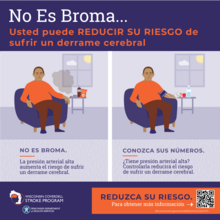
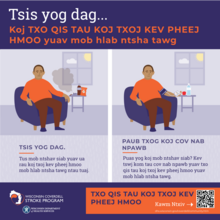
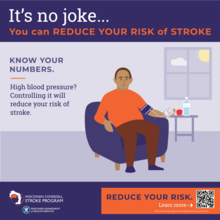
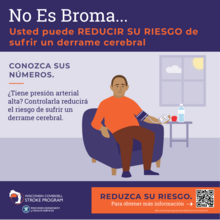
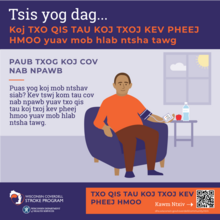
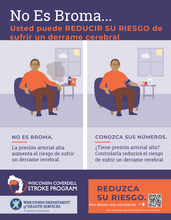
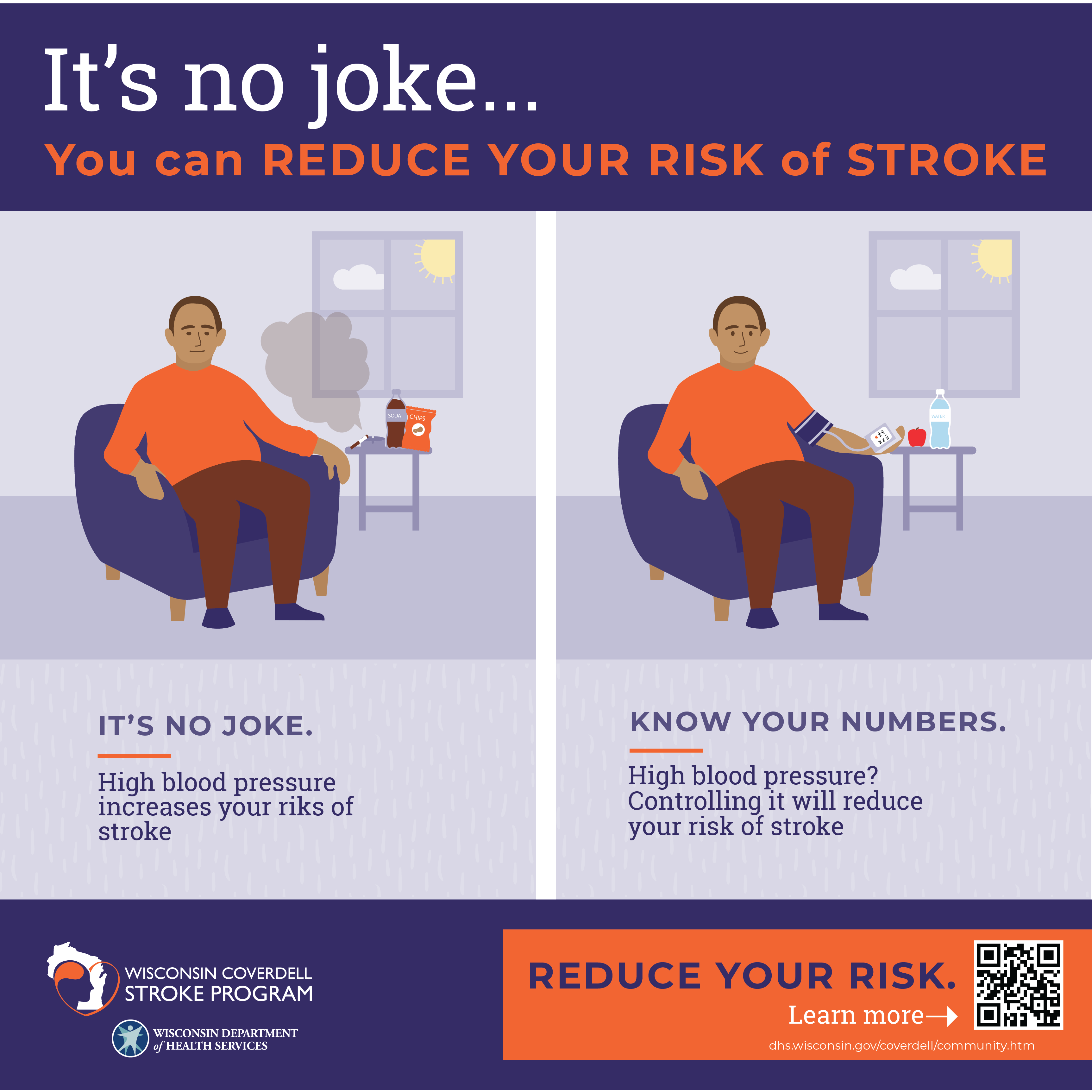
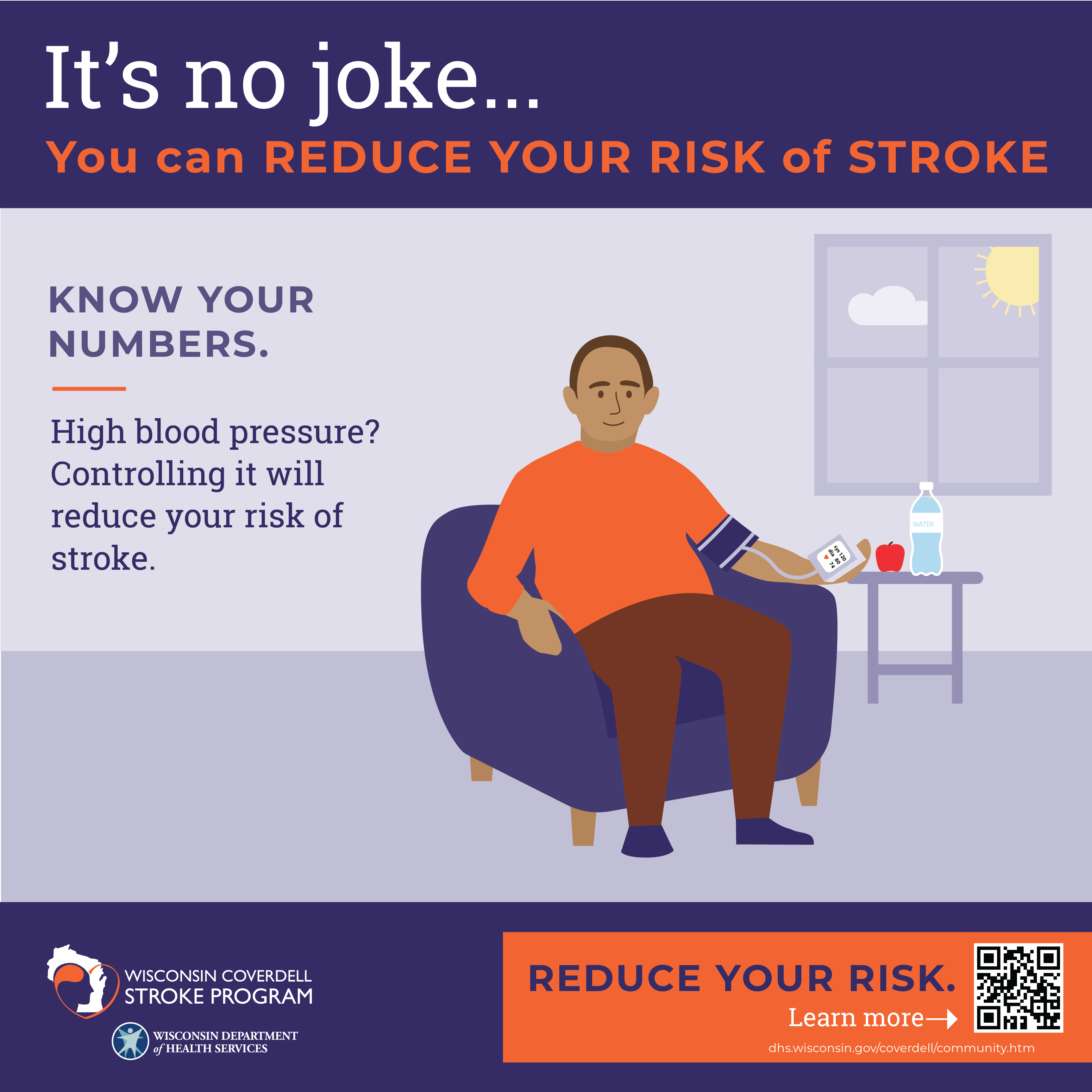
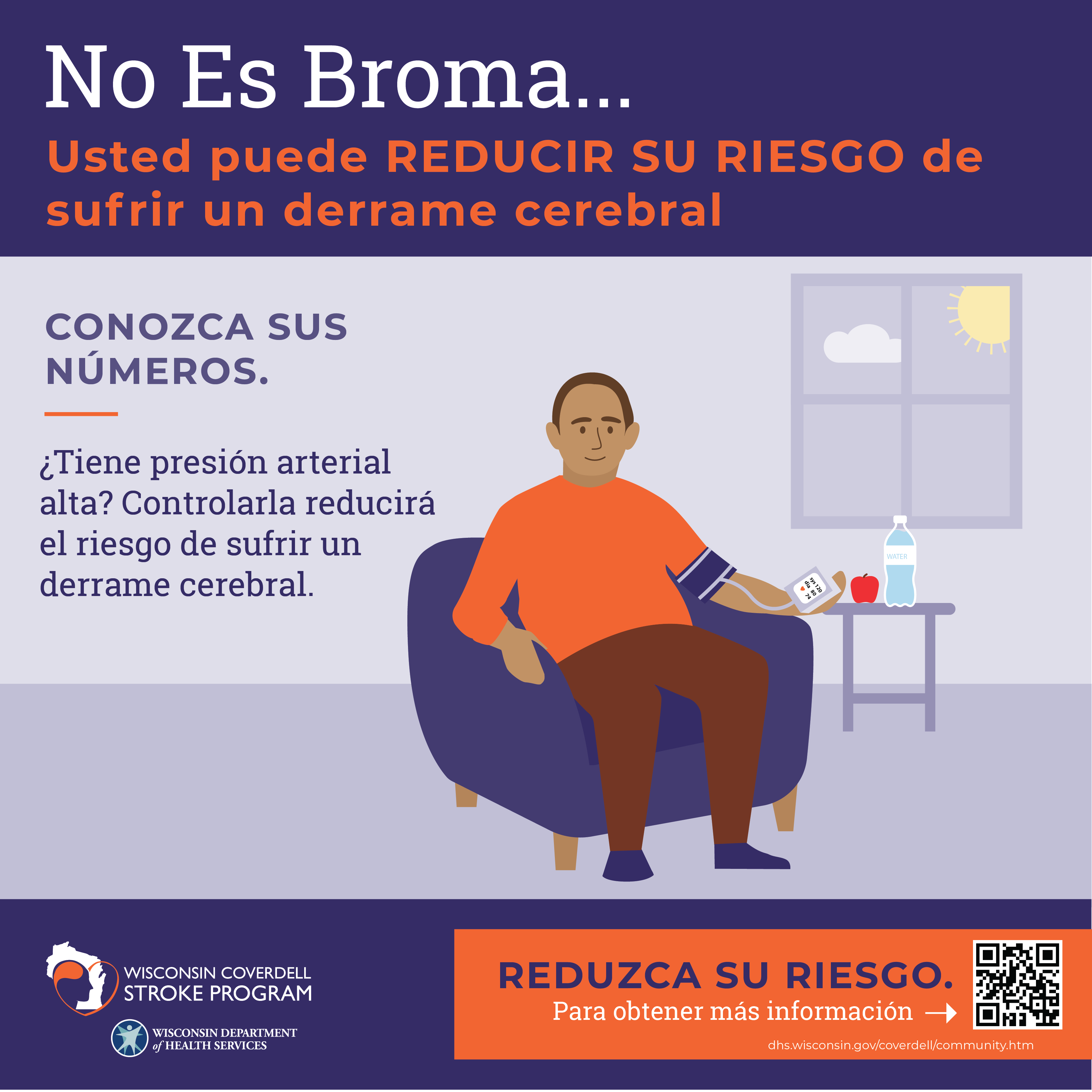
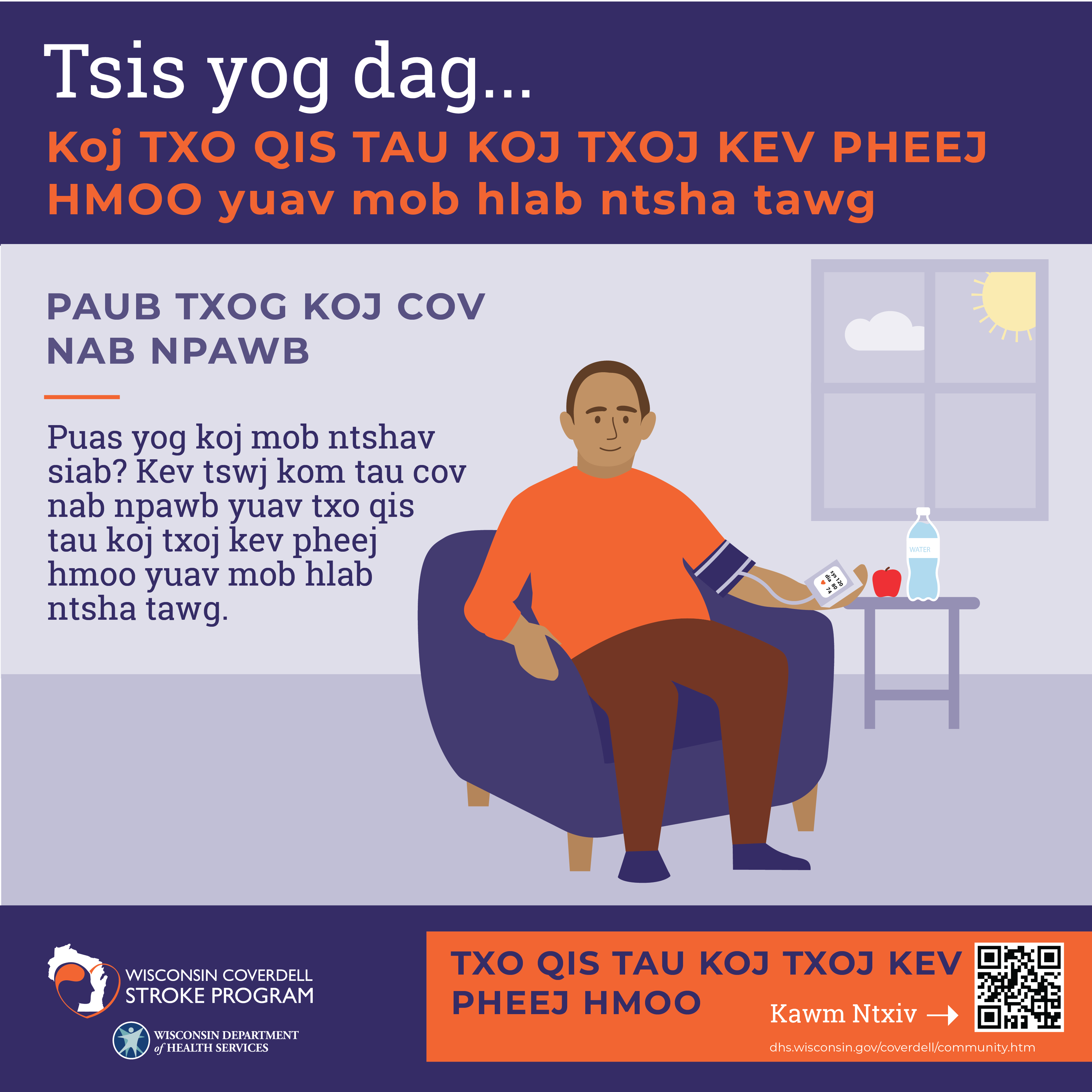
It’s no joke. High blood pressure increases your risk of stroke. Know your numbers. If you have high blood pressure, controlling it will reduce your risk for #stroke. Learn more about blood pressure at https://www.heart.org/en/health-topics/high-blood-pressure/find-high-blood-pressure-tools--resources
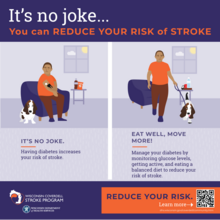
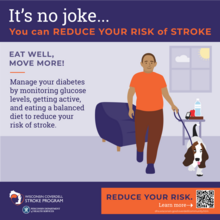
Sample post encouraging managing chronic conditions like diabetes
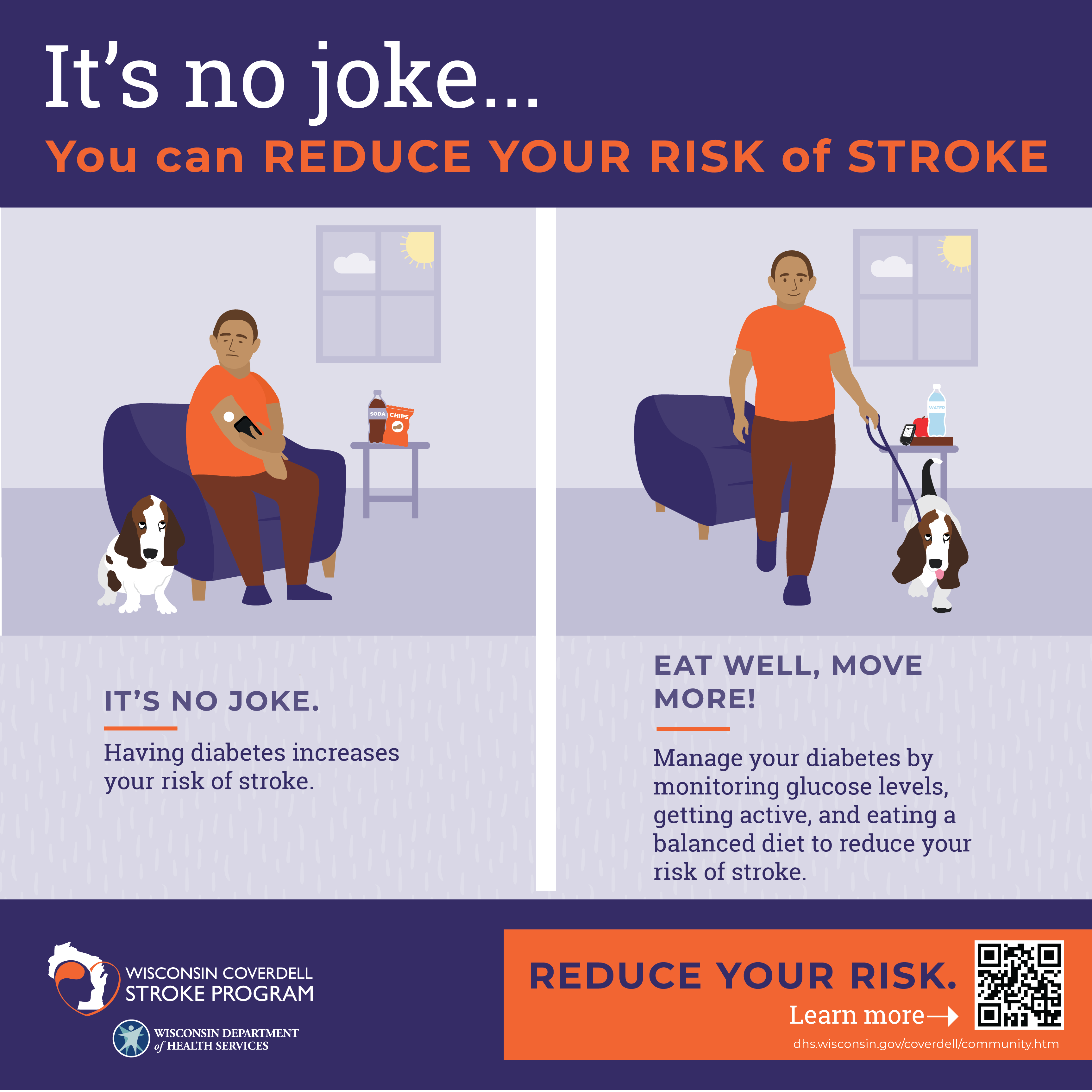
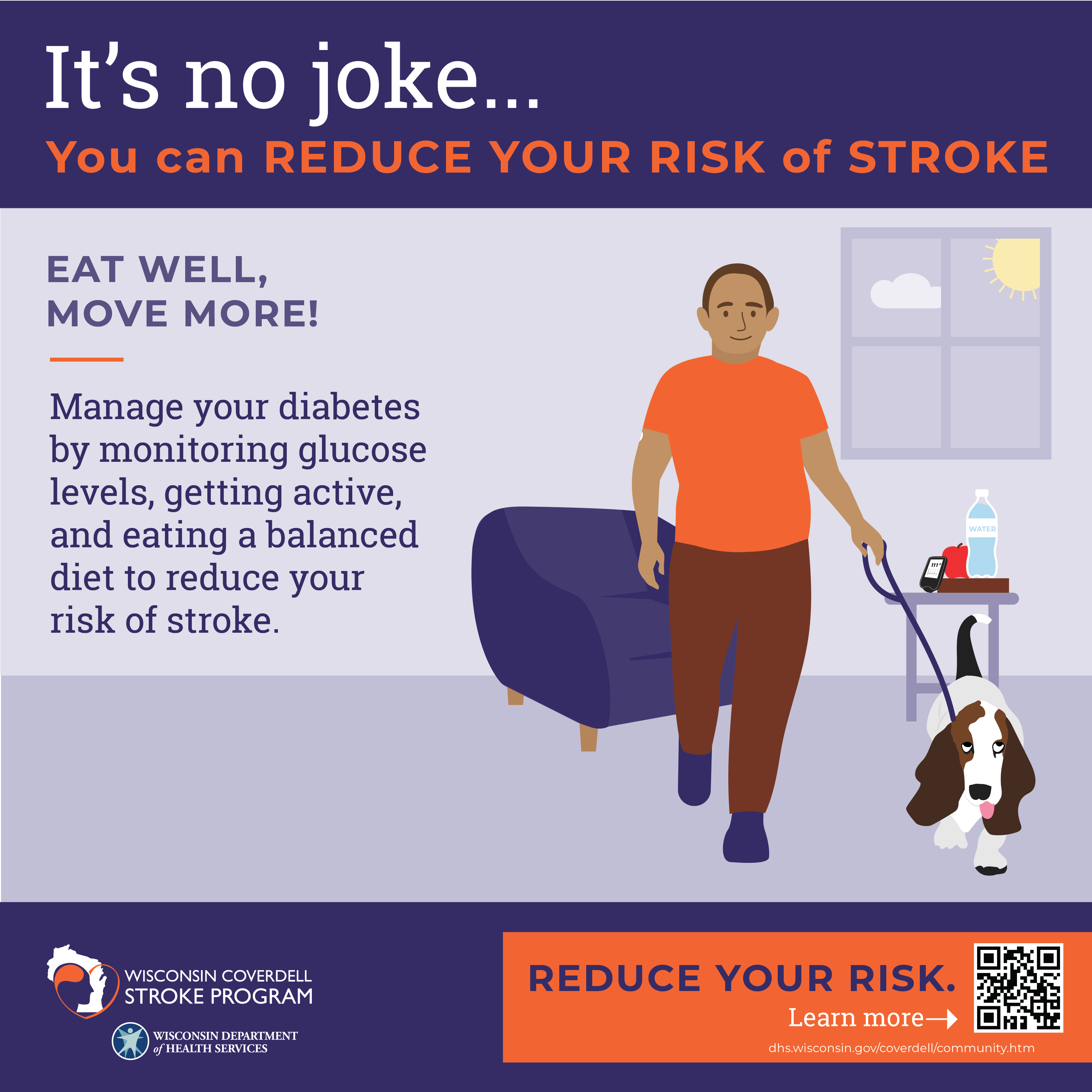
Managing medical conditions, like obesity and diabetes, can reduce your risk for #stroke. Take the one-minute diabetes risk test at https://www.dhs.wisconsin.gov/prediabetes/index.htm, then talk with your primary care provider.
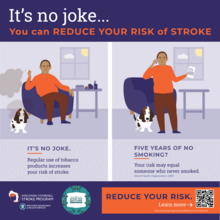
Sample post suggesting smoking cessation
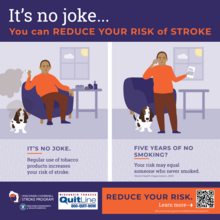
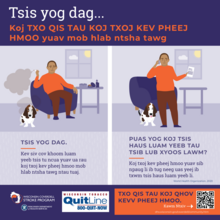
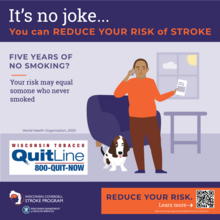
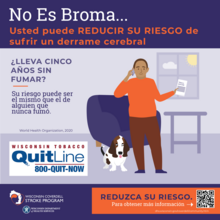
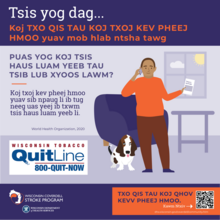
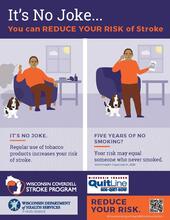
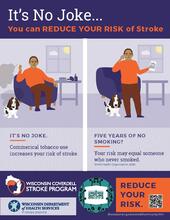
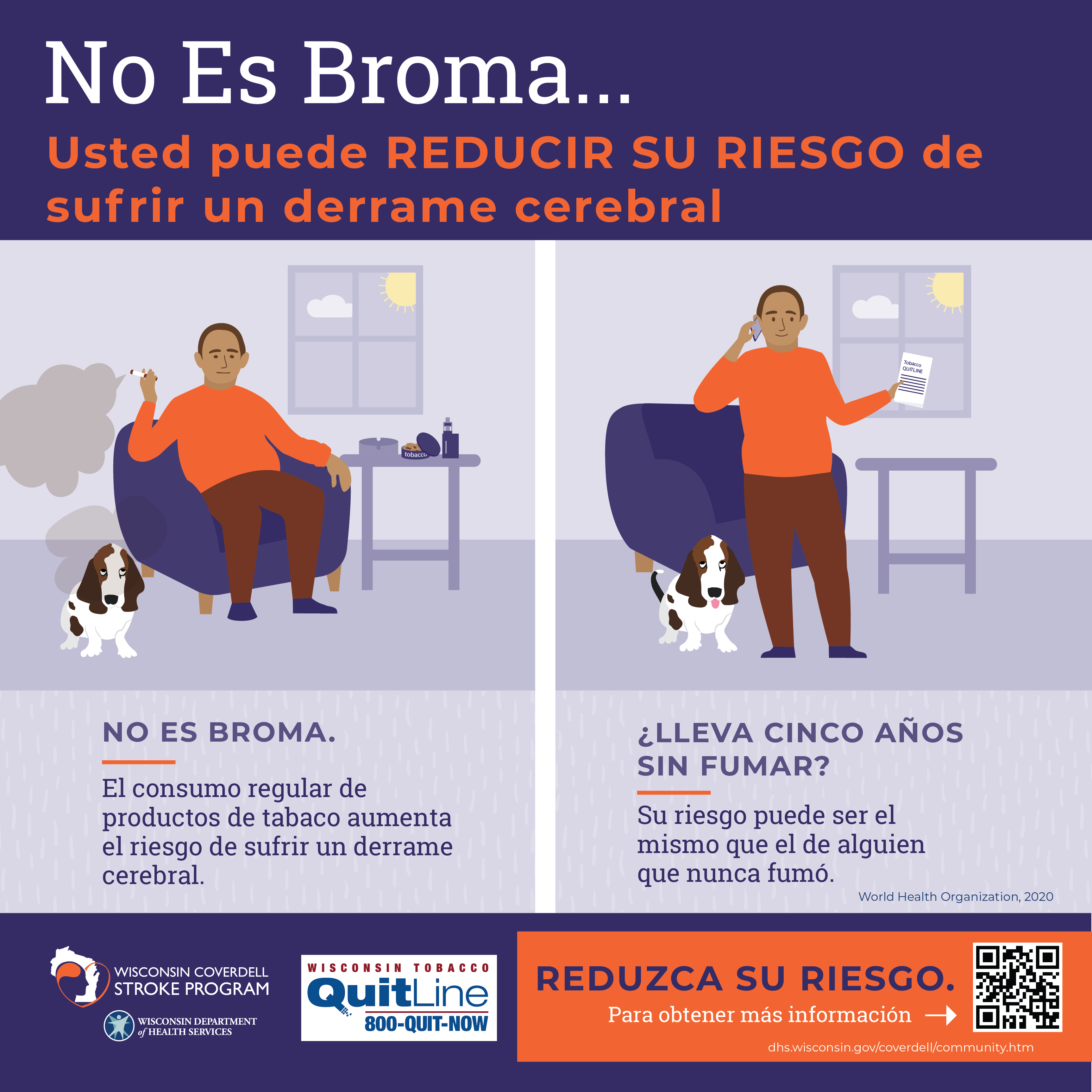
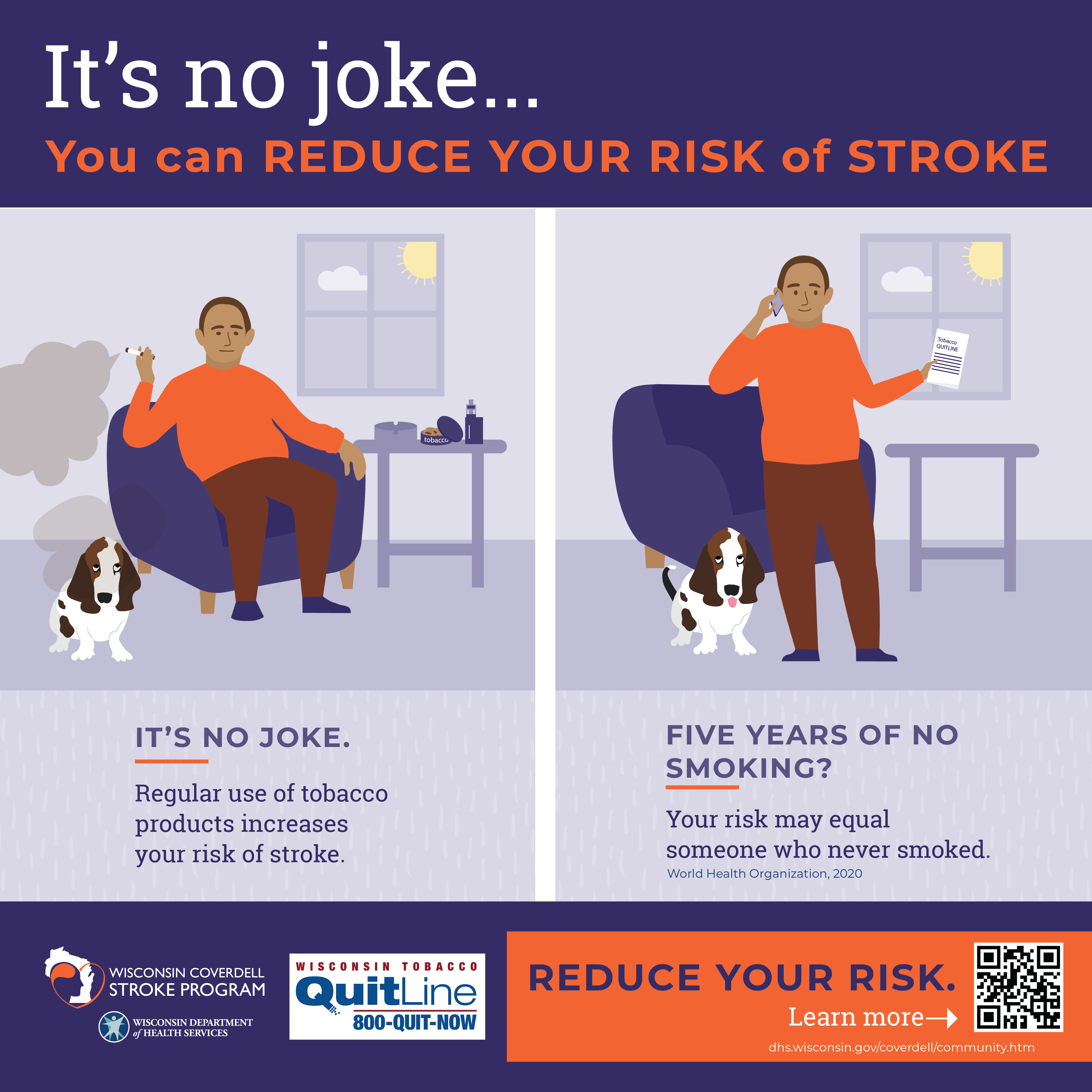
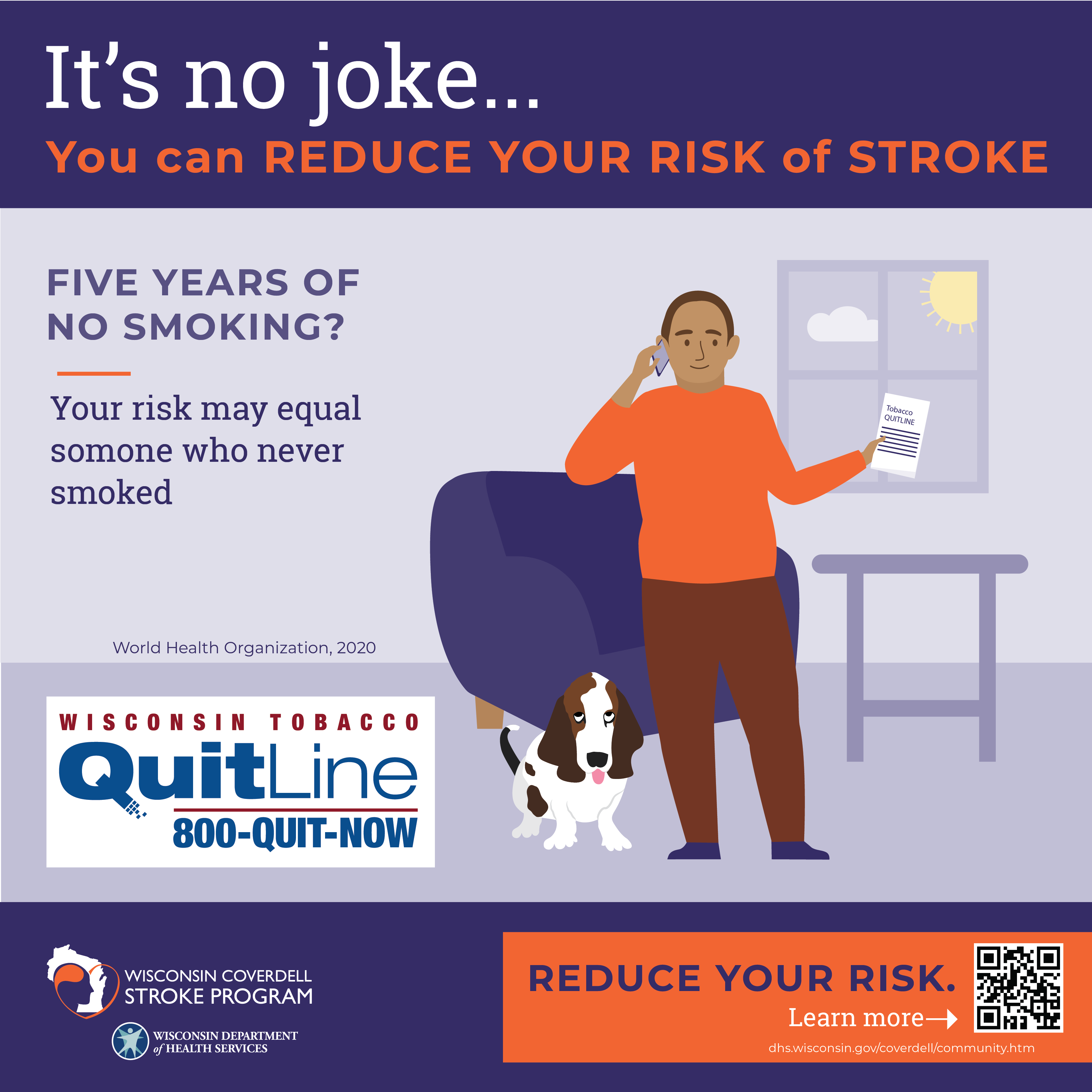
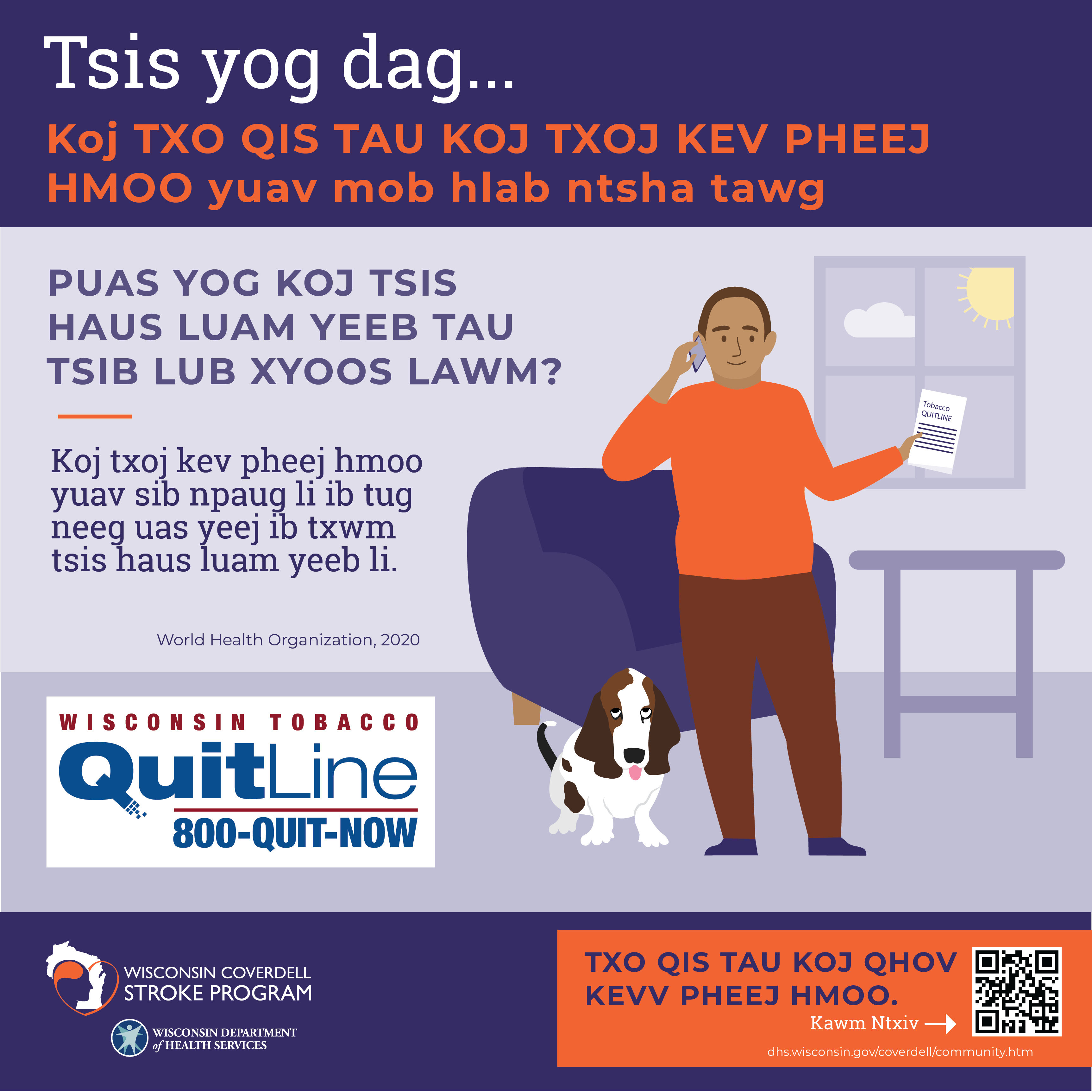
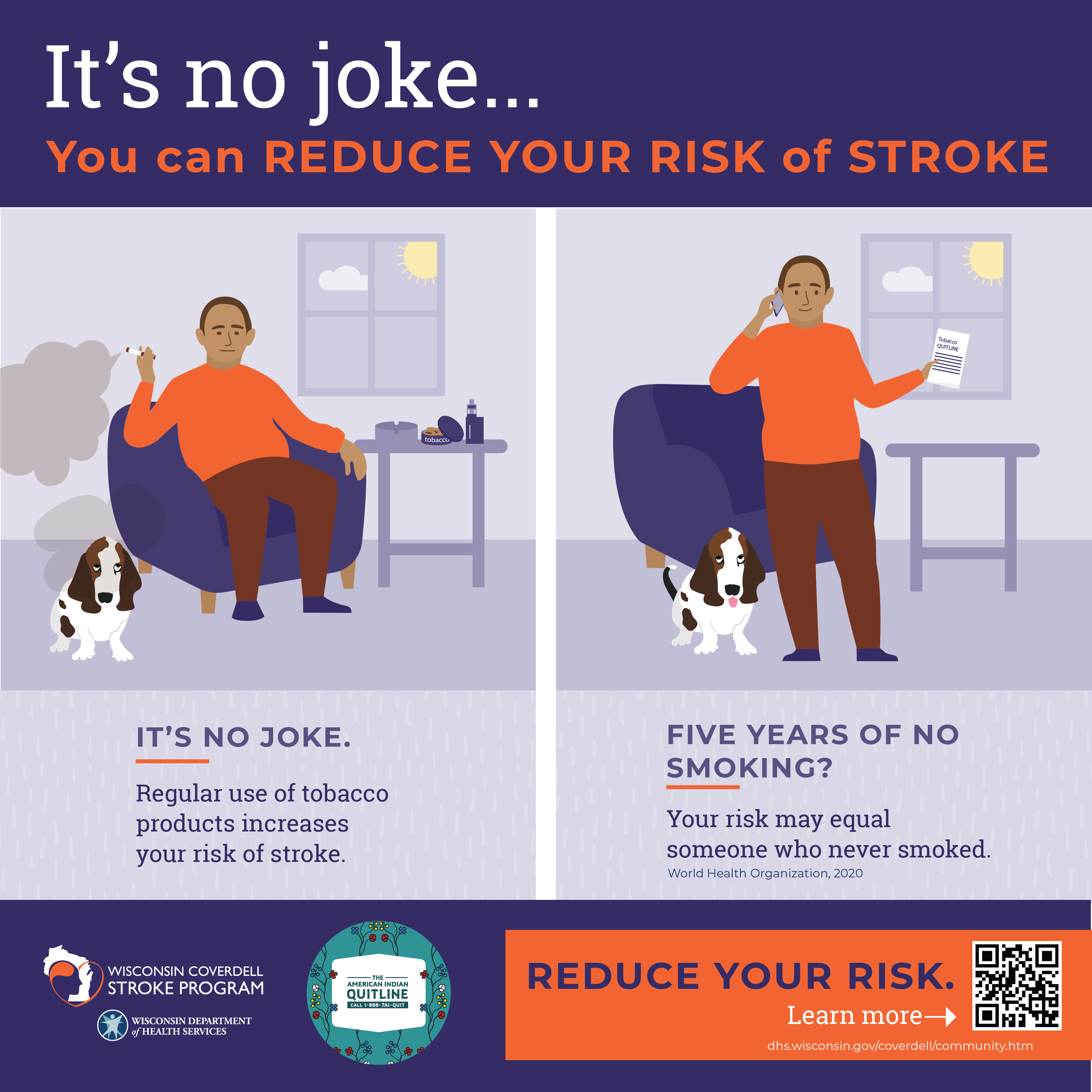
It's no joke. Smoking commercial tobacco increases the risk of stroke, but after five years of no smoking, #stroke risk is the same as if you never smoked. Contact the Wisconsin Tobacco QuitLine at https://quitline.wisc.edu/ for help to stop smoking.
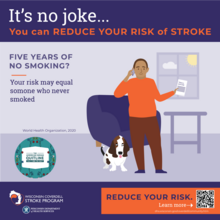
Sample post about getting support to stop smoking
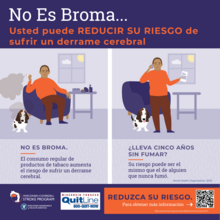
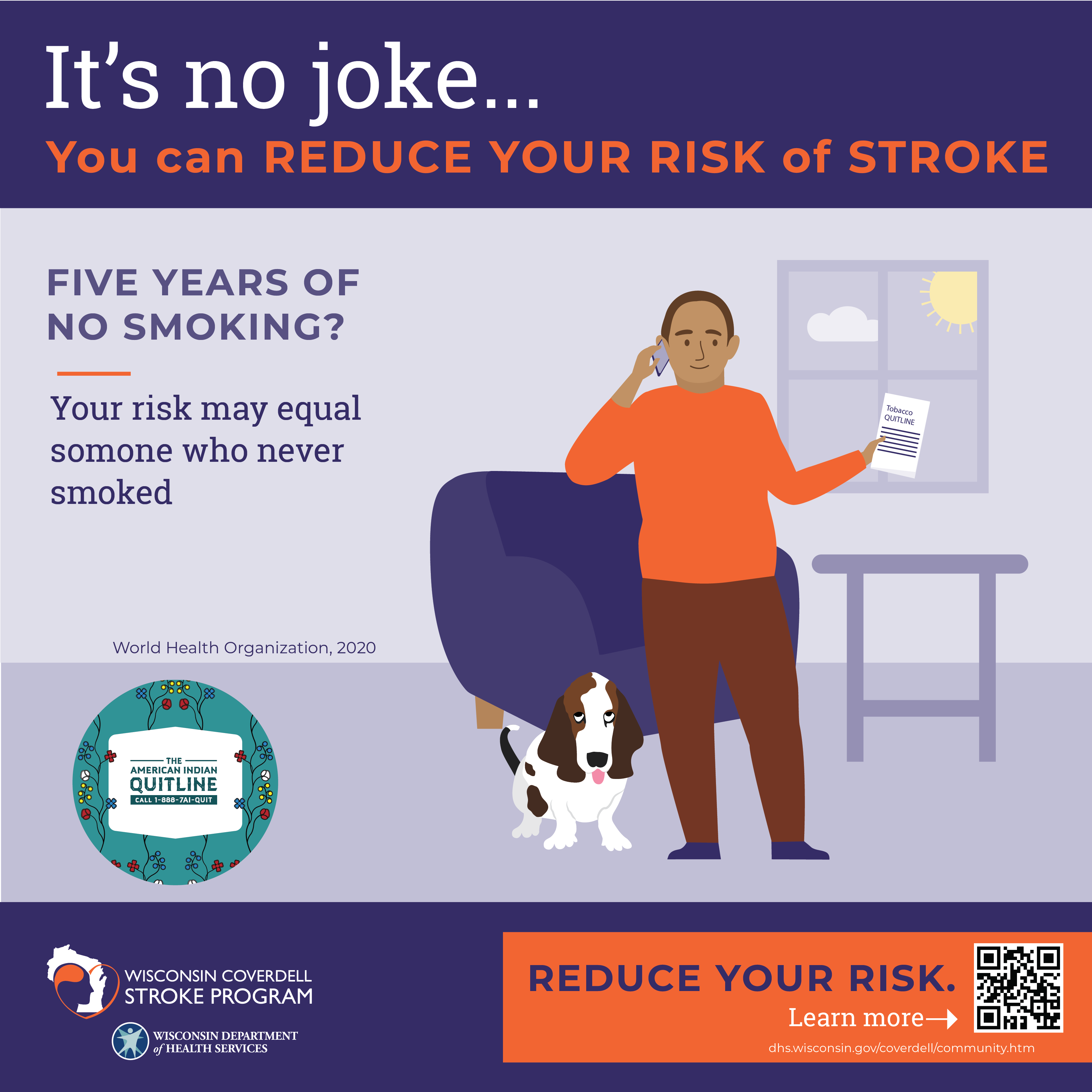
It's no joke. Smoking commercial tobacco increases the risk of stroke, but after five years of no smoking, #stroke risk is the same as if you never smoked. Contact the American Indian QuitLine at https://quitline.wisc.edu/home/american-indian-program/ for help to stop smoking.
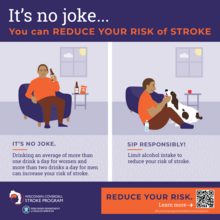
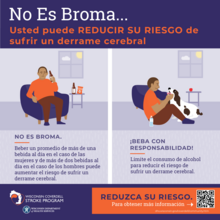
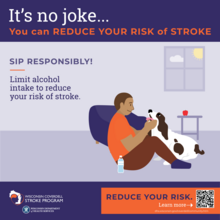
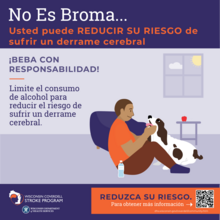
Sample post suggesting responsible consumption of alcoholic beverages
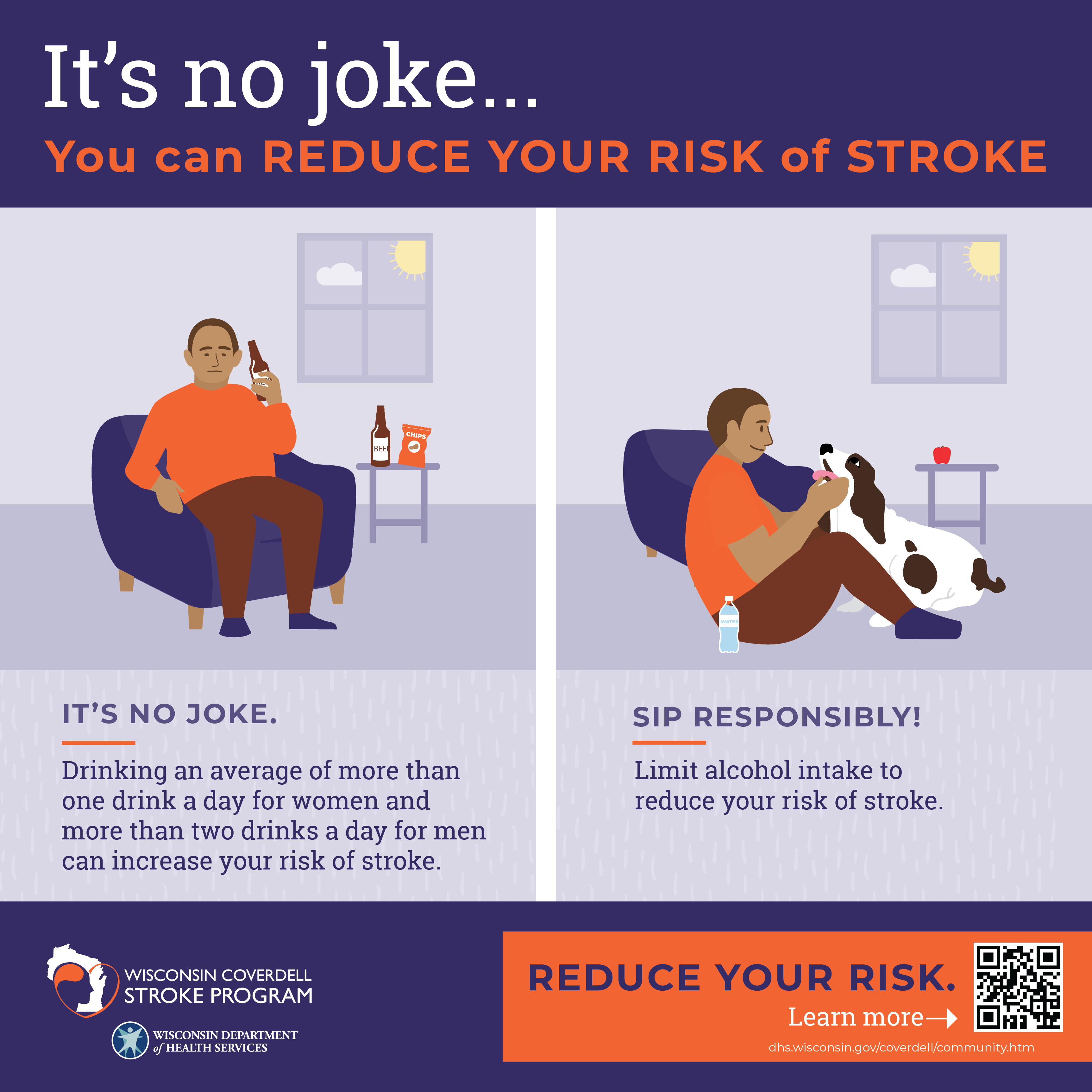
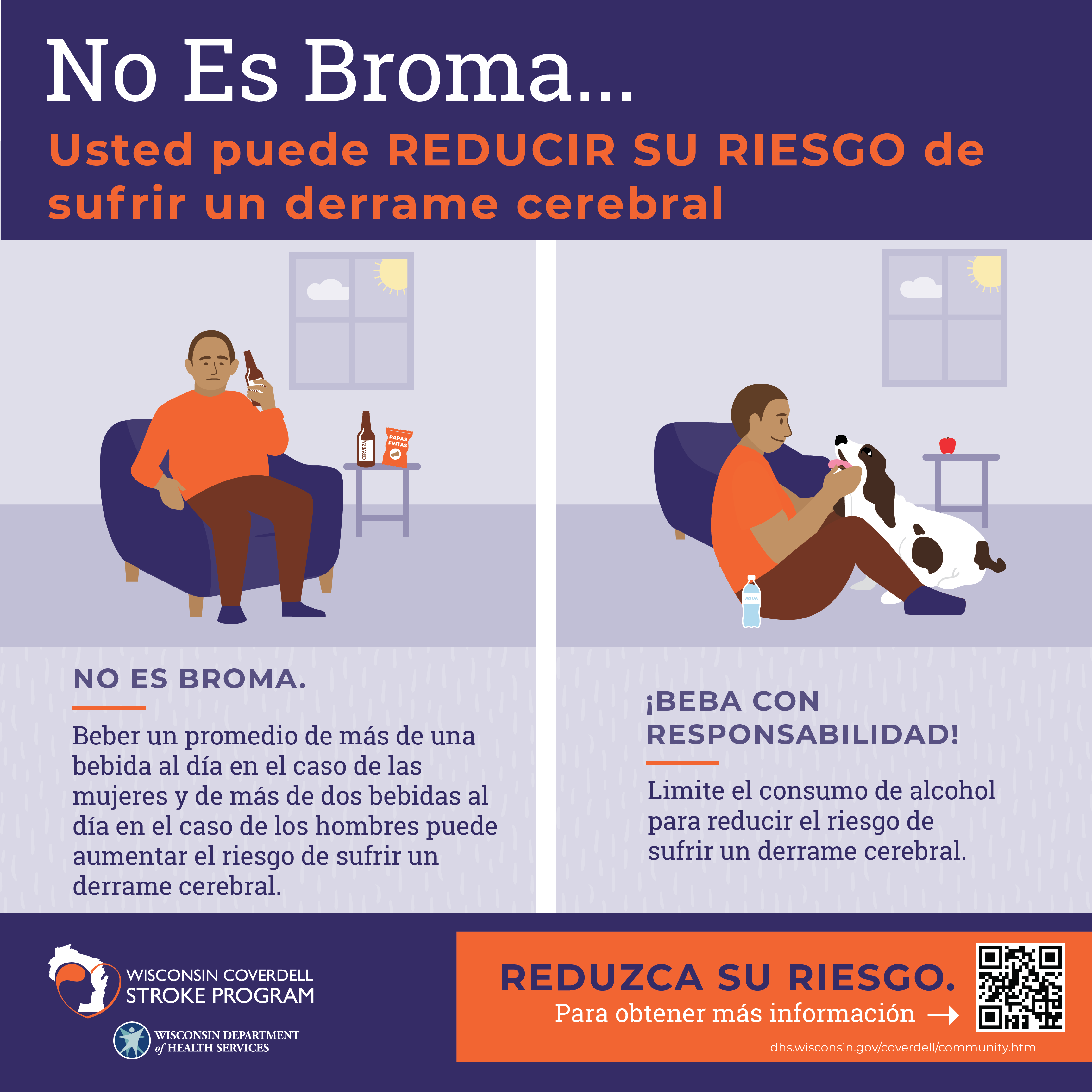
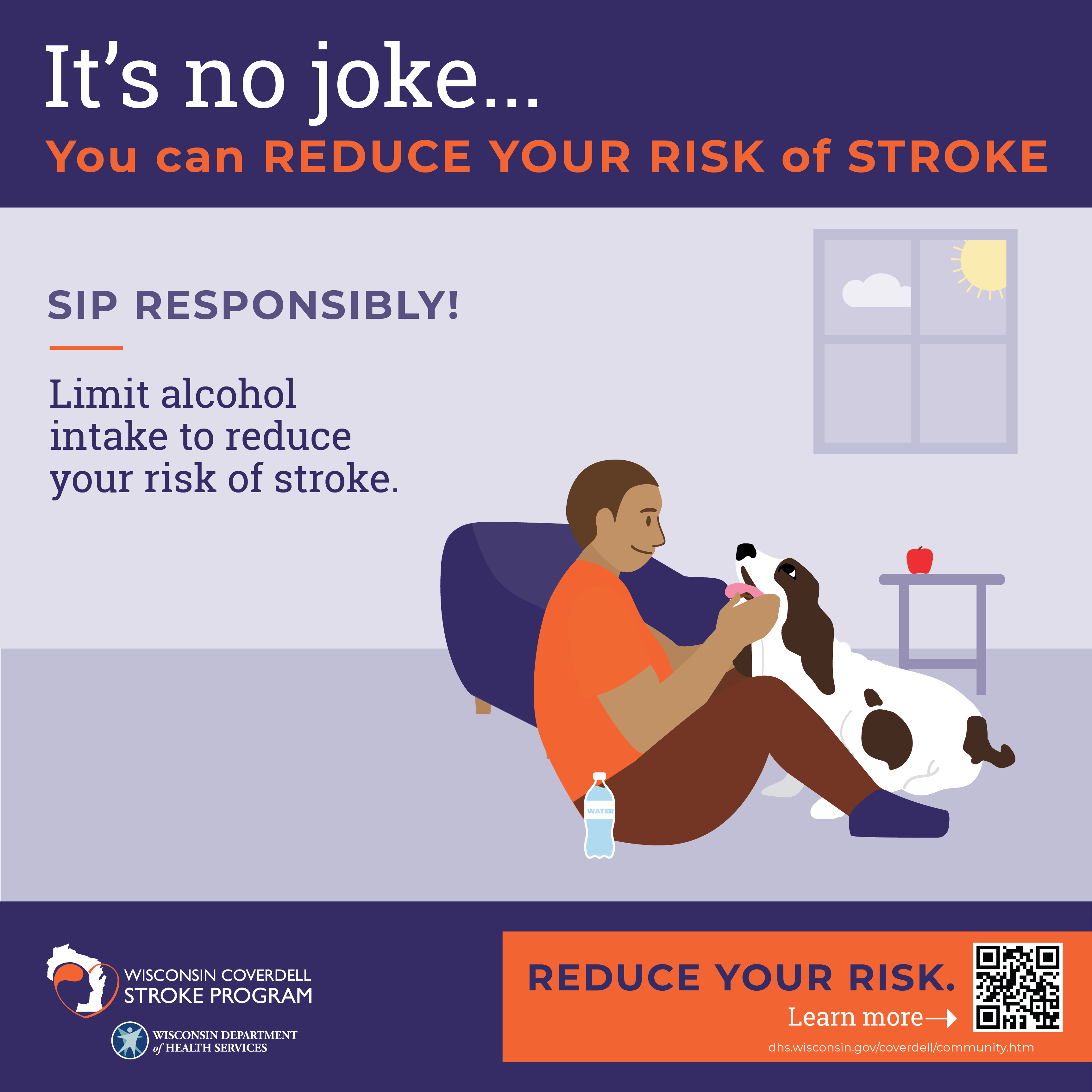
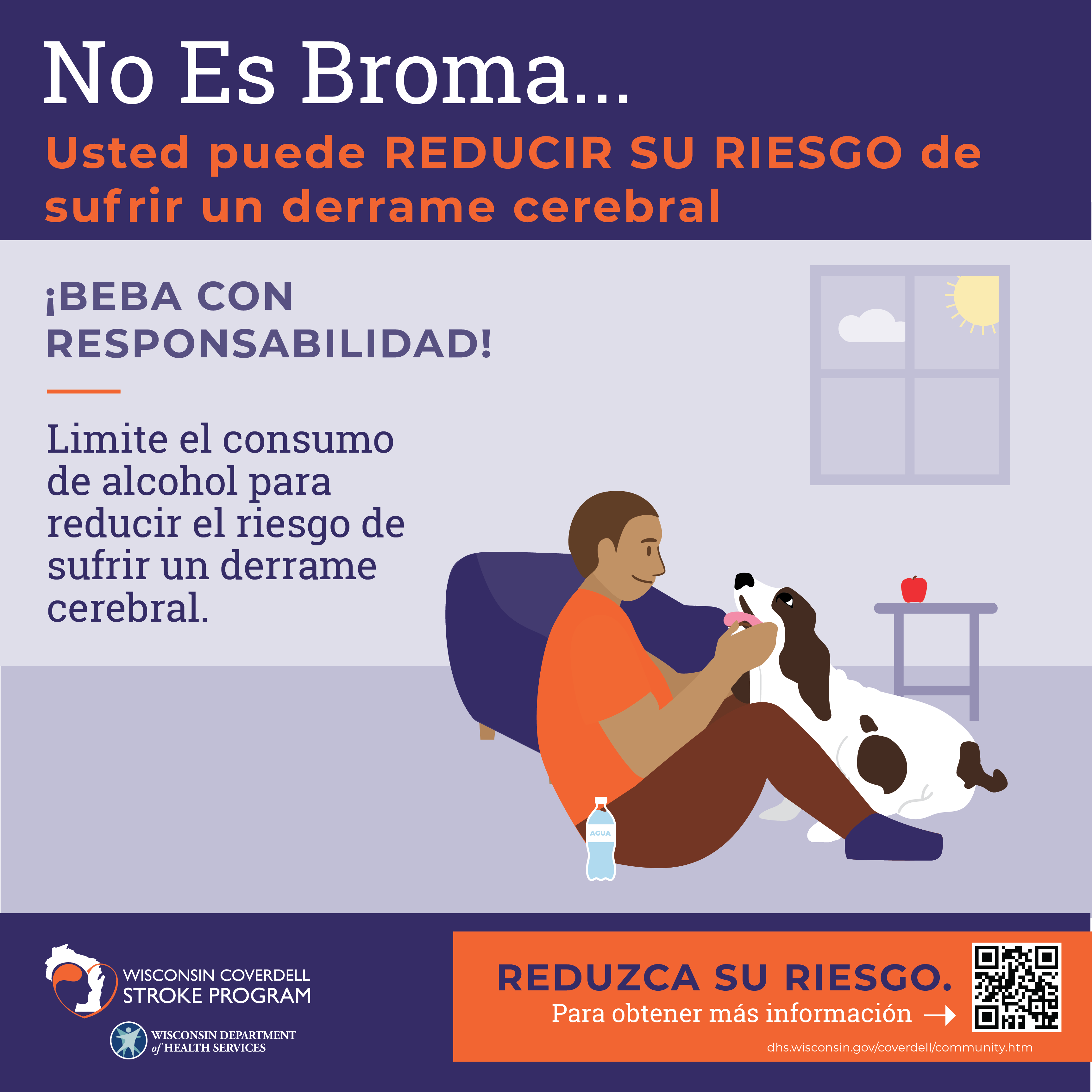
Alcohol consumption is linked to a number of other conditions that are associated with stroke risk. Learn about your risk factors and how to manage them athttps://www.dhs.wisconsin.gov/coverdell/index.htm
Sample post about signs of a stroke
Bella is showing signs of a stroke. It’s time to call 911. Every second counts! #BEFAST
Sample post about what to do if someone is having a stroke
If you or someone you know exhibits signs of a #stroke, act fast. Call 911. Learn more at https://www.dhs.wisconsin.gov/coverdell/community.htm #BEFAST
Sample posts specific to seasons and situations to encourage stroke prevention and awareness
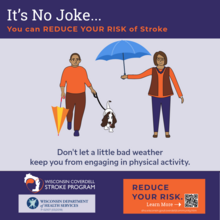
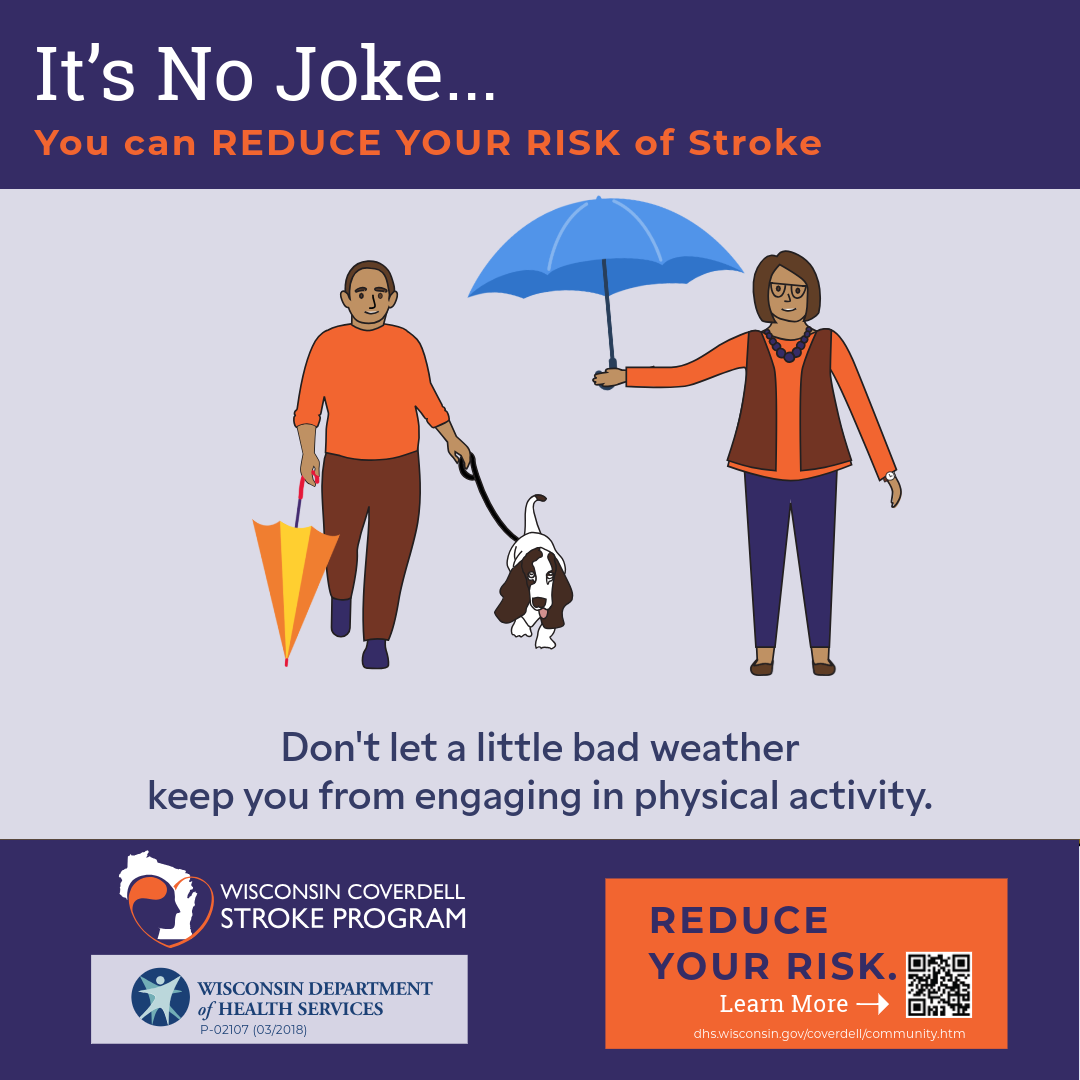
Don’t let spring showers prevent you from being active! This can be as simple as grabbing your umbrella to take a move around outside, visiting your local recreation center or gym to enjoy indoor physical activity options, or doing some at home exercise. Engaging in physical activity reduces your risk for heart disease and #stroke. Learn other ways you can reduce your risk at https://www.dhs.wisconsin.gov/coverdell/community.htm
Download the Rick and Bella walk in the rain (English) social media graphic (PNG)
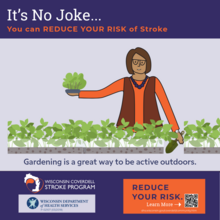
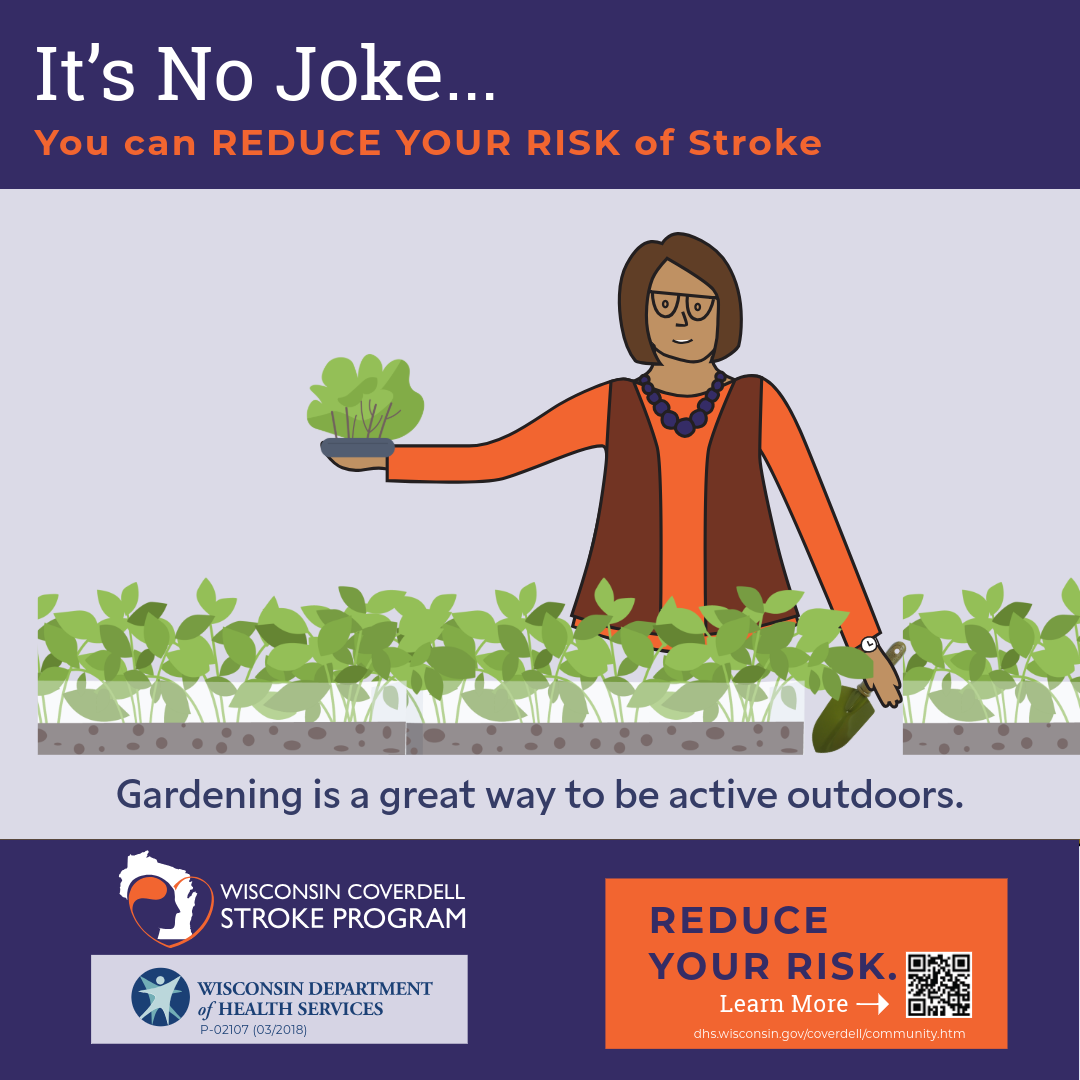
Springtime is a great time for gardening which can be great exercise and a stress reducing hobby. Engaging in physical activity reduces your risk for heart disease and #stroke. Learn other ways you can reduce your risk at https://www.dhs.wisconsin.gov/coverdell/community.htm
Download the Bella gardening (English) social media graphic (PNG)
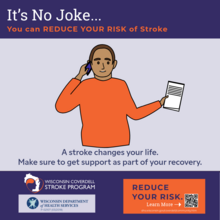
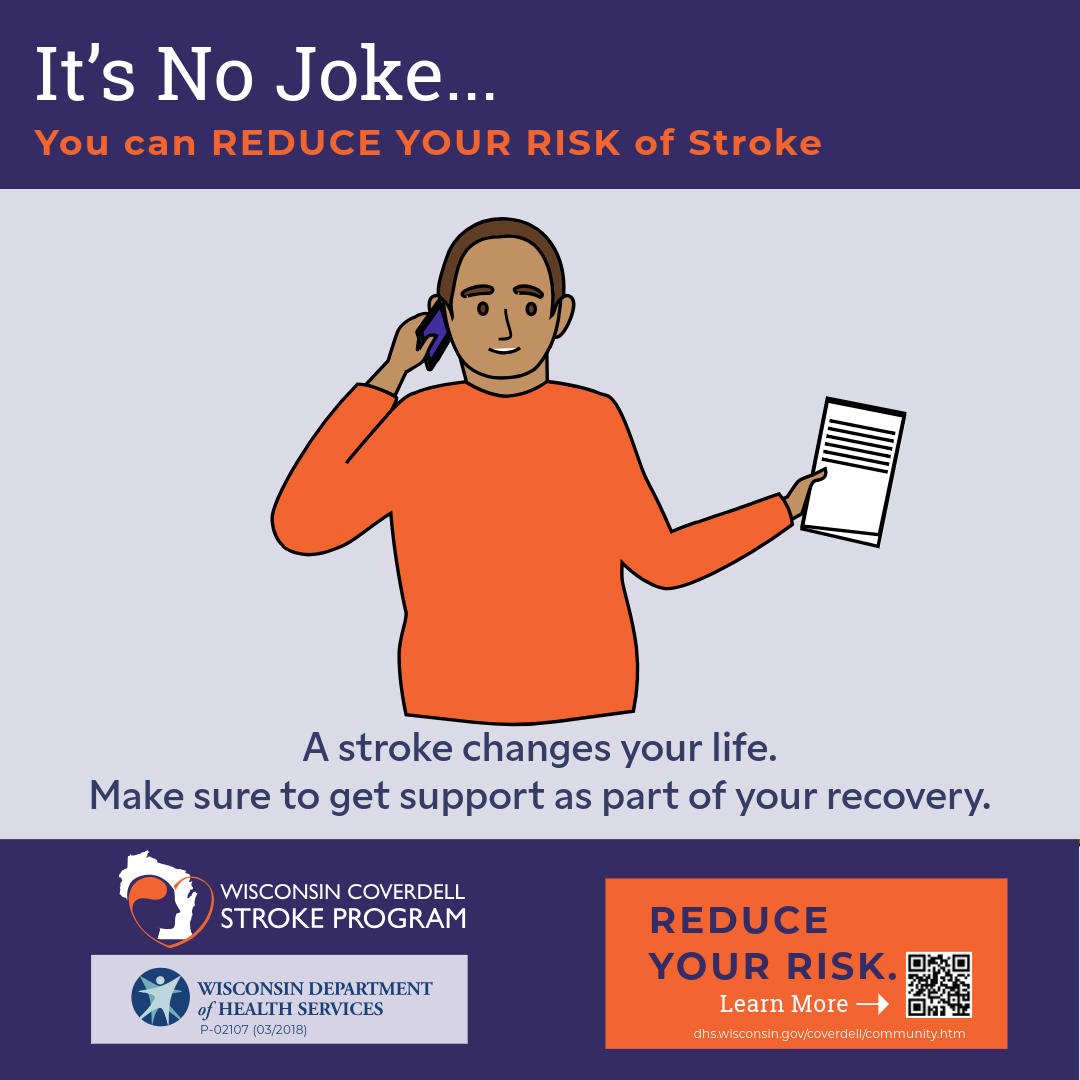
May is #MentalHealthMonth and #StrokeMonth. Stroke survivors and their loved ones often experience challenges to their mental health after a #stroke. Help is available. Visit https://www.stroke.org/en/stroke-support-group-finder to search for an American Heart Association’s Stroke Support Group near you!
Download the Rick calls stroke support (English) social media graphic (PNG)
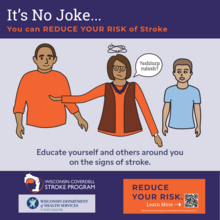
Do you know the signs of a stroke and what to do?
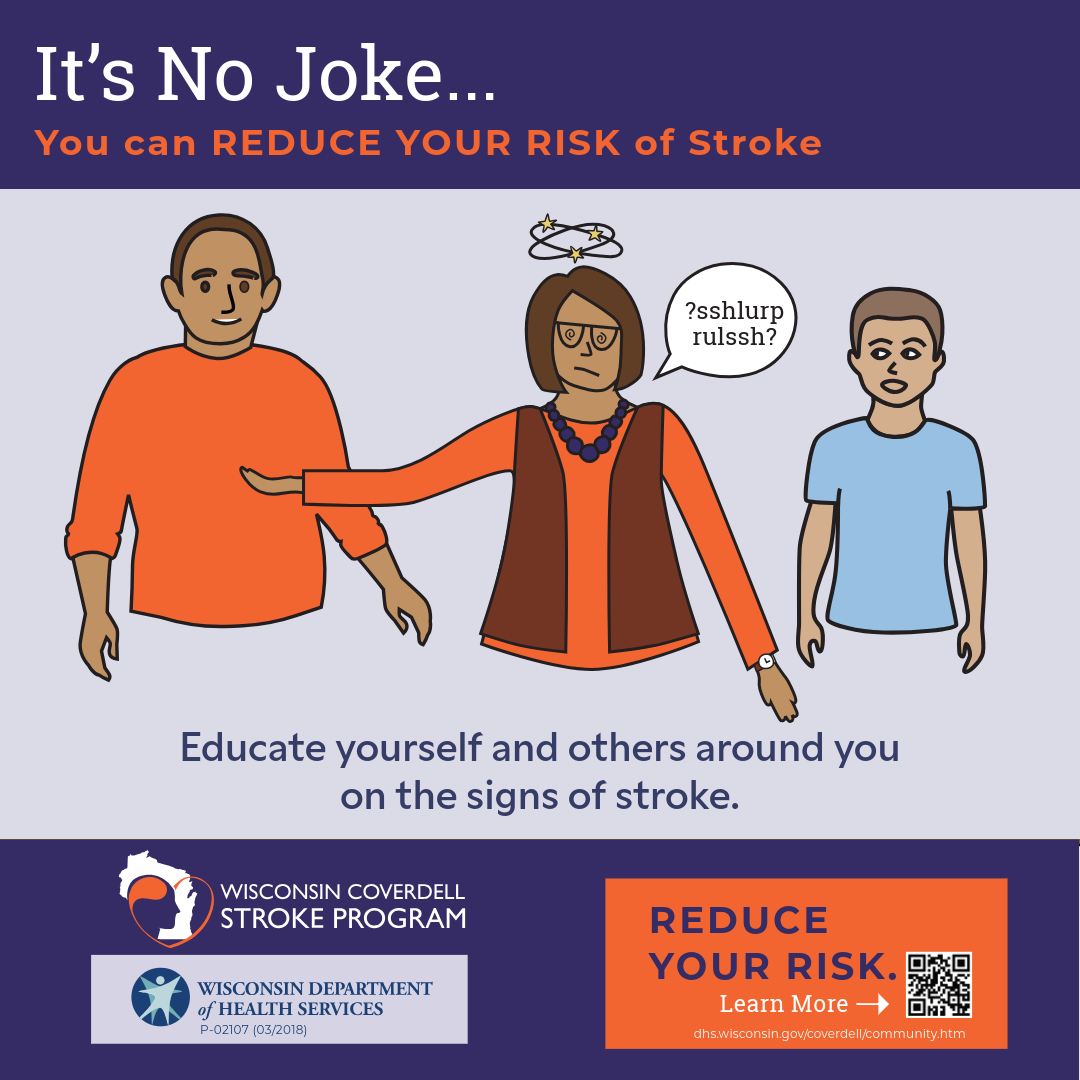
During #StrokeMonth educate yourself and others around you about the signs of stroke and how to reduce your risk. Start learning at https://www.dhs.wisconsin.gov/coverdell/community.htm
Download the Stroke symptom awareness (English) social media graphic (PNG)
Coverdell promotional materials
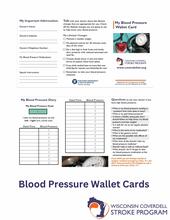
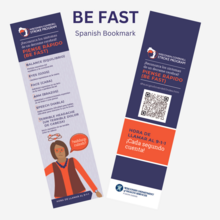
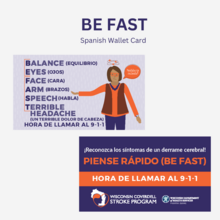
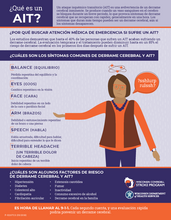
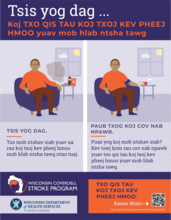
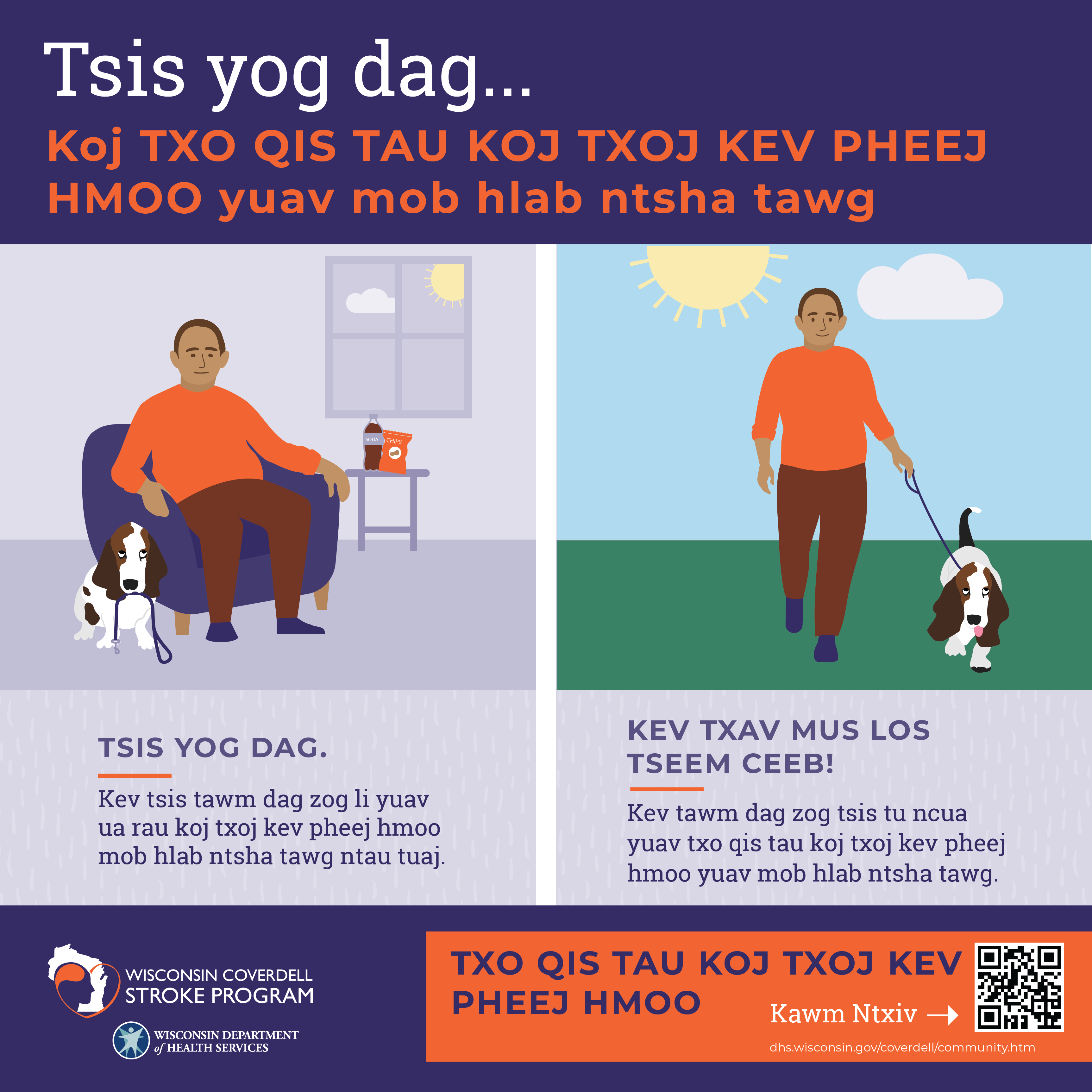
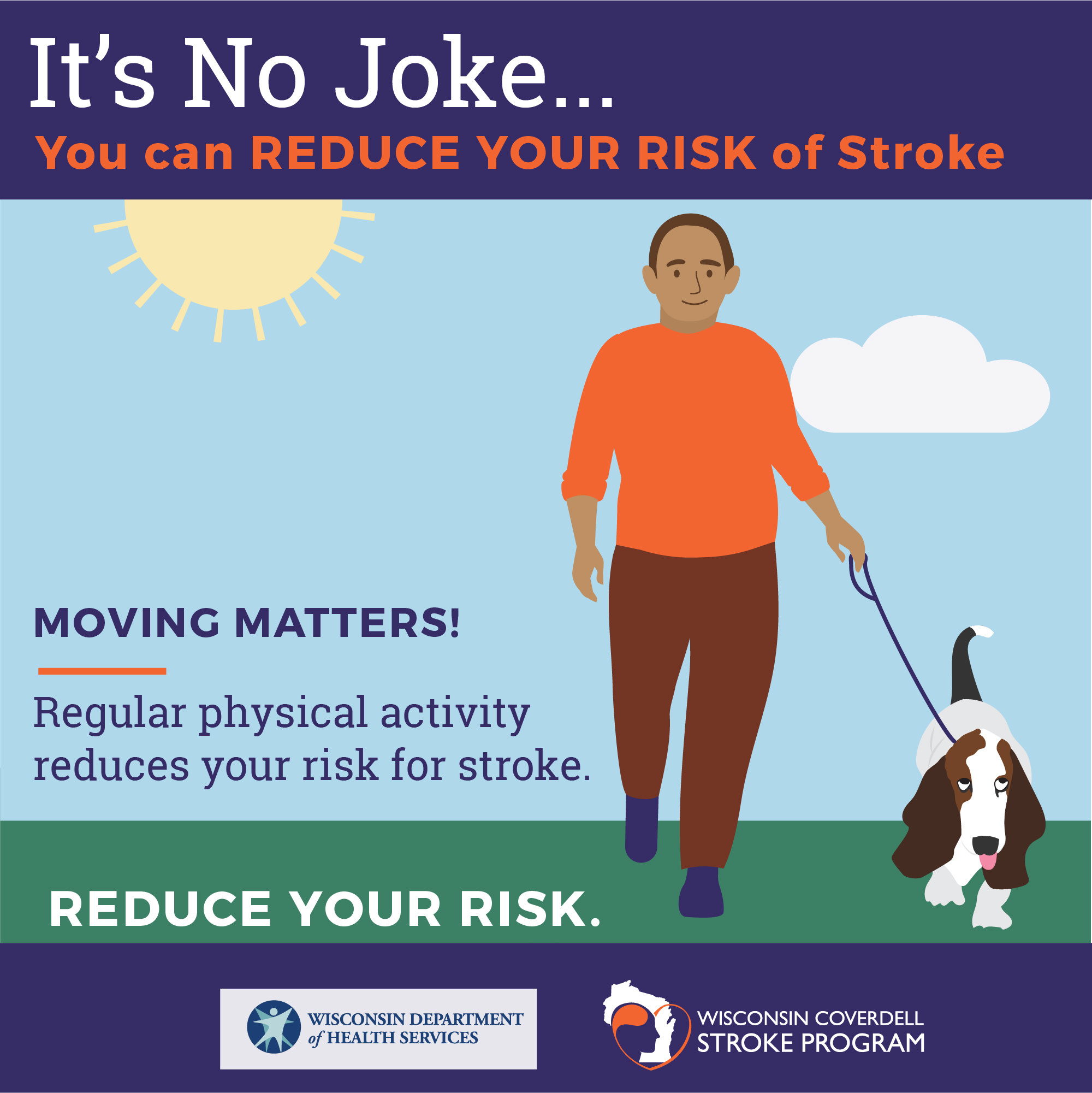
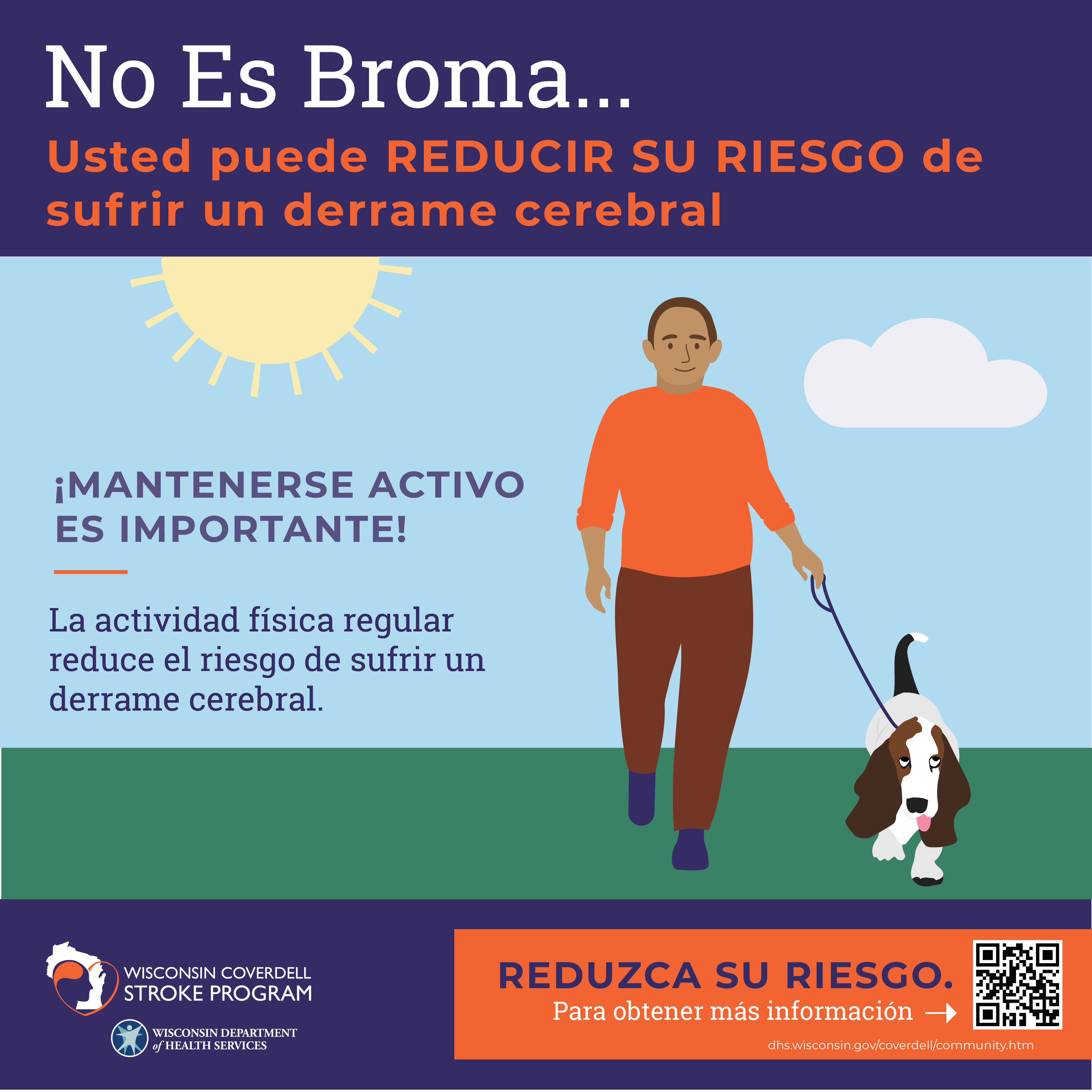
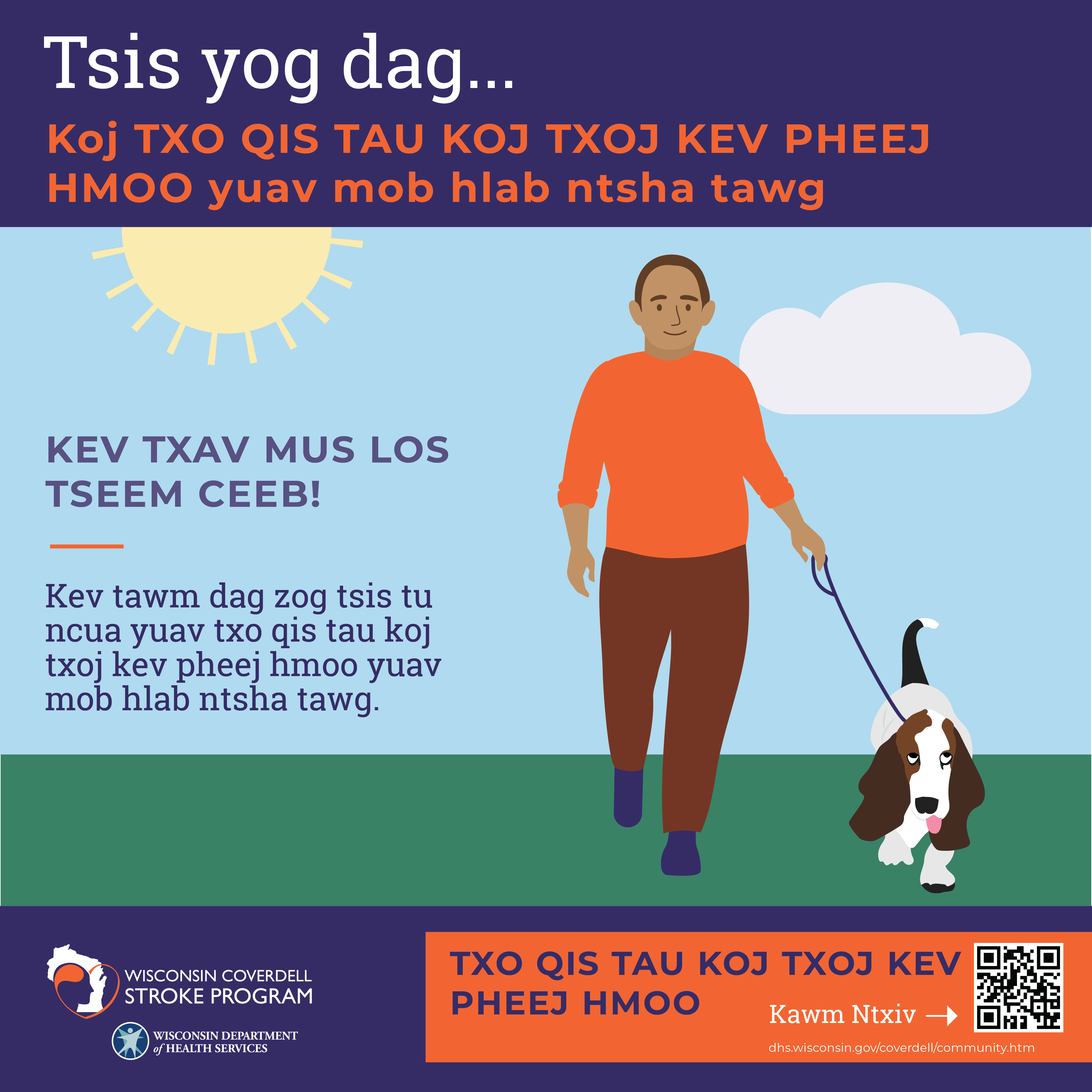
Share stroke risk factor and BE FAST messages with posters, bookmarks, wallet cards, and more.
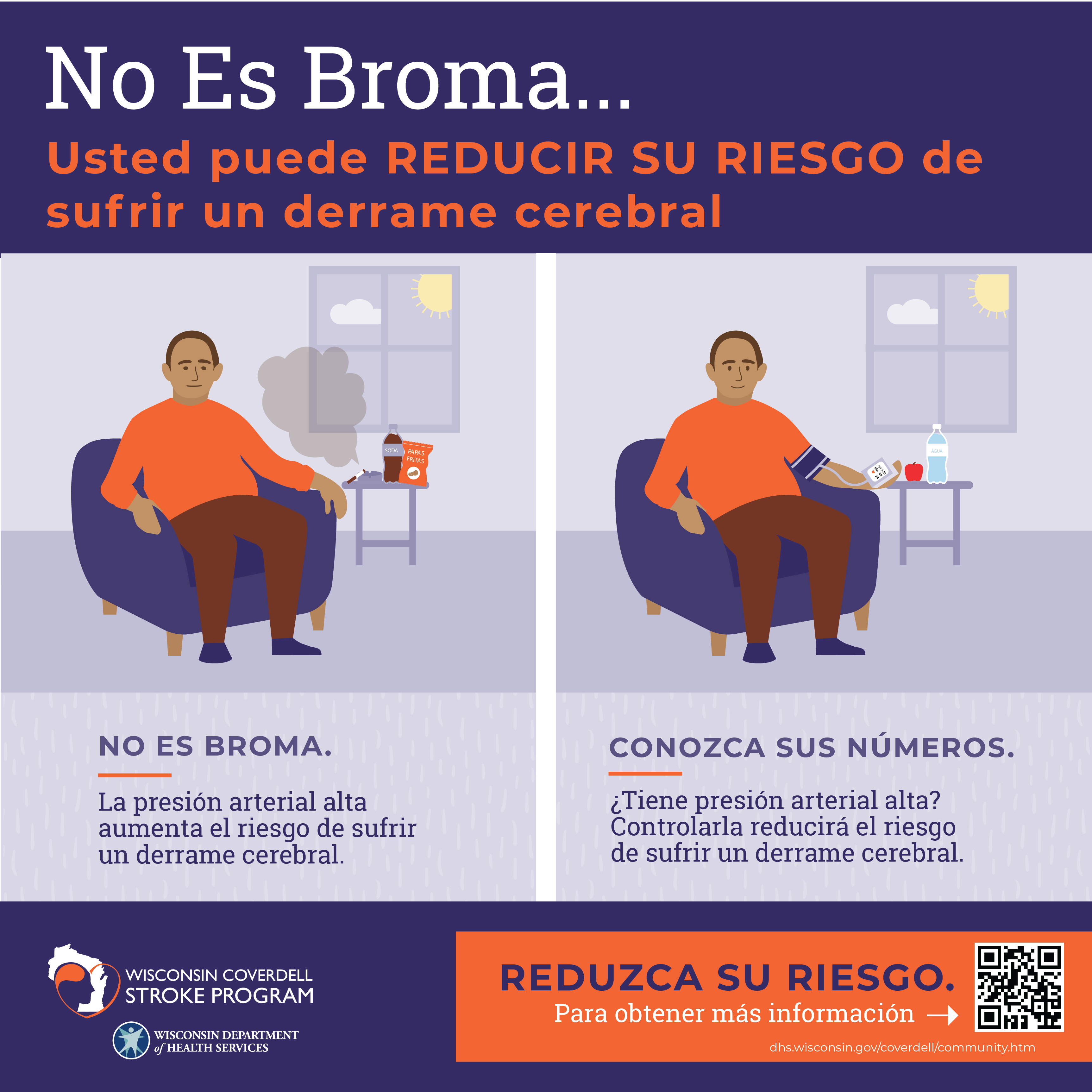
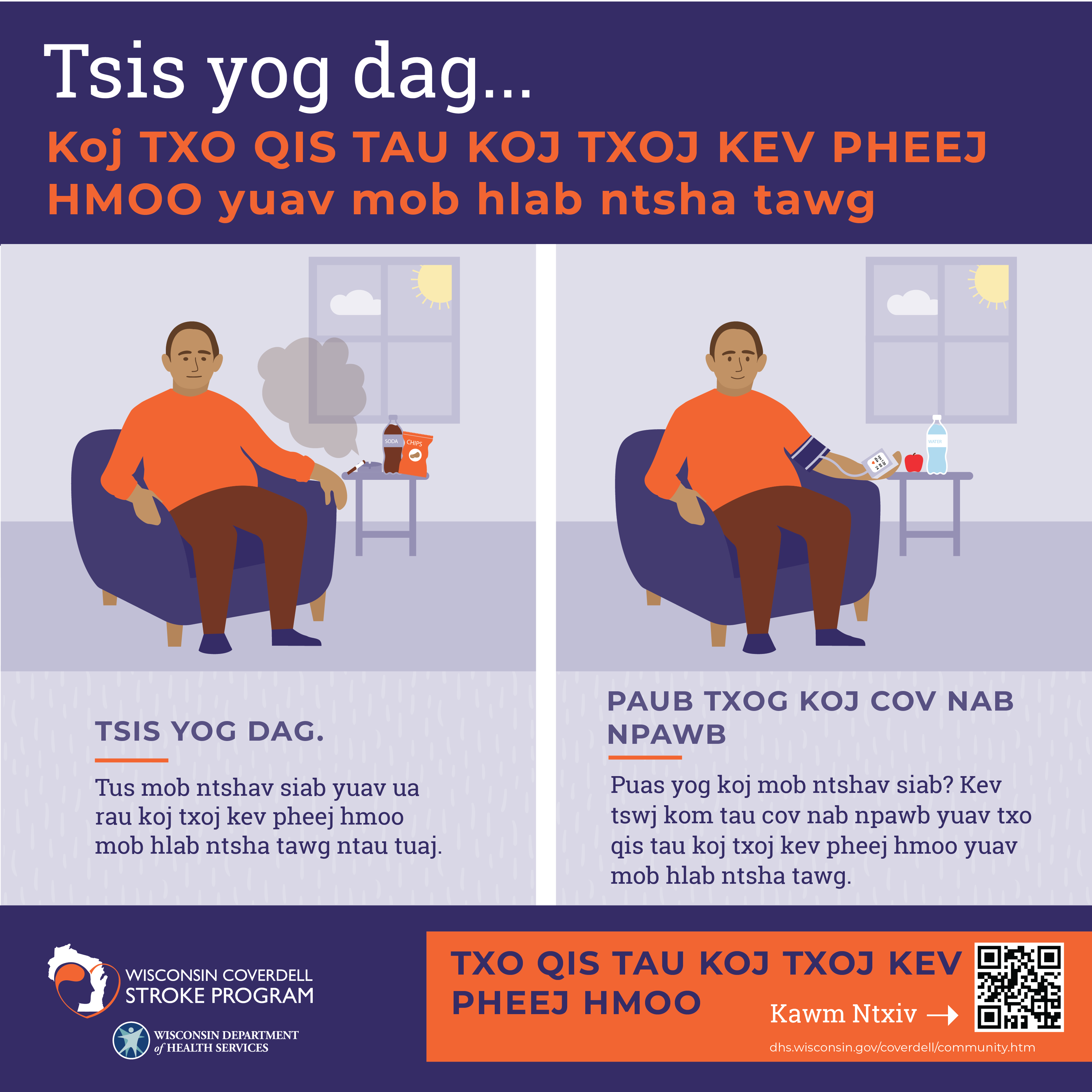
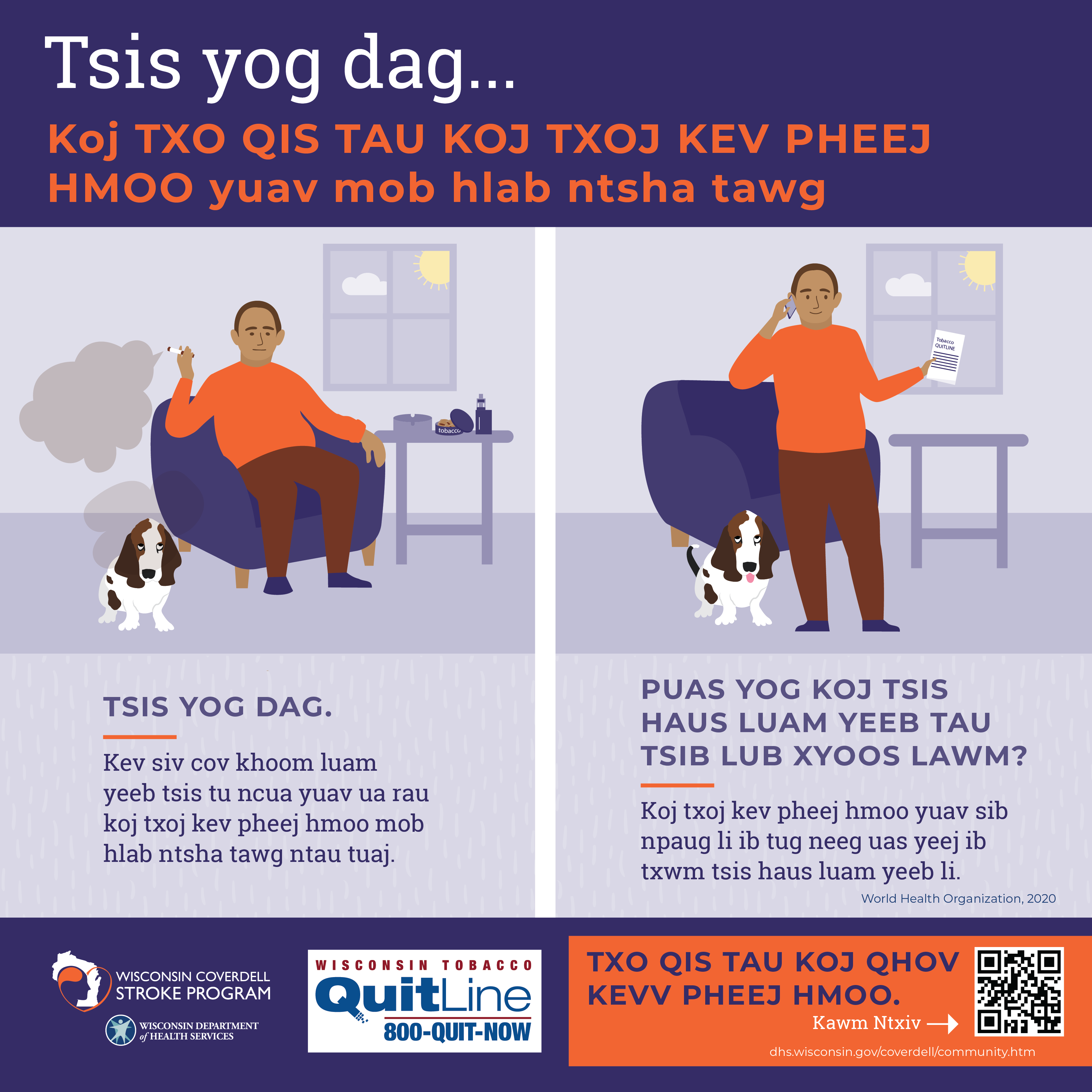
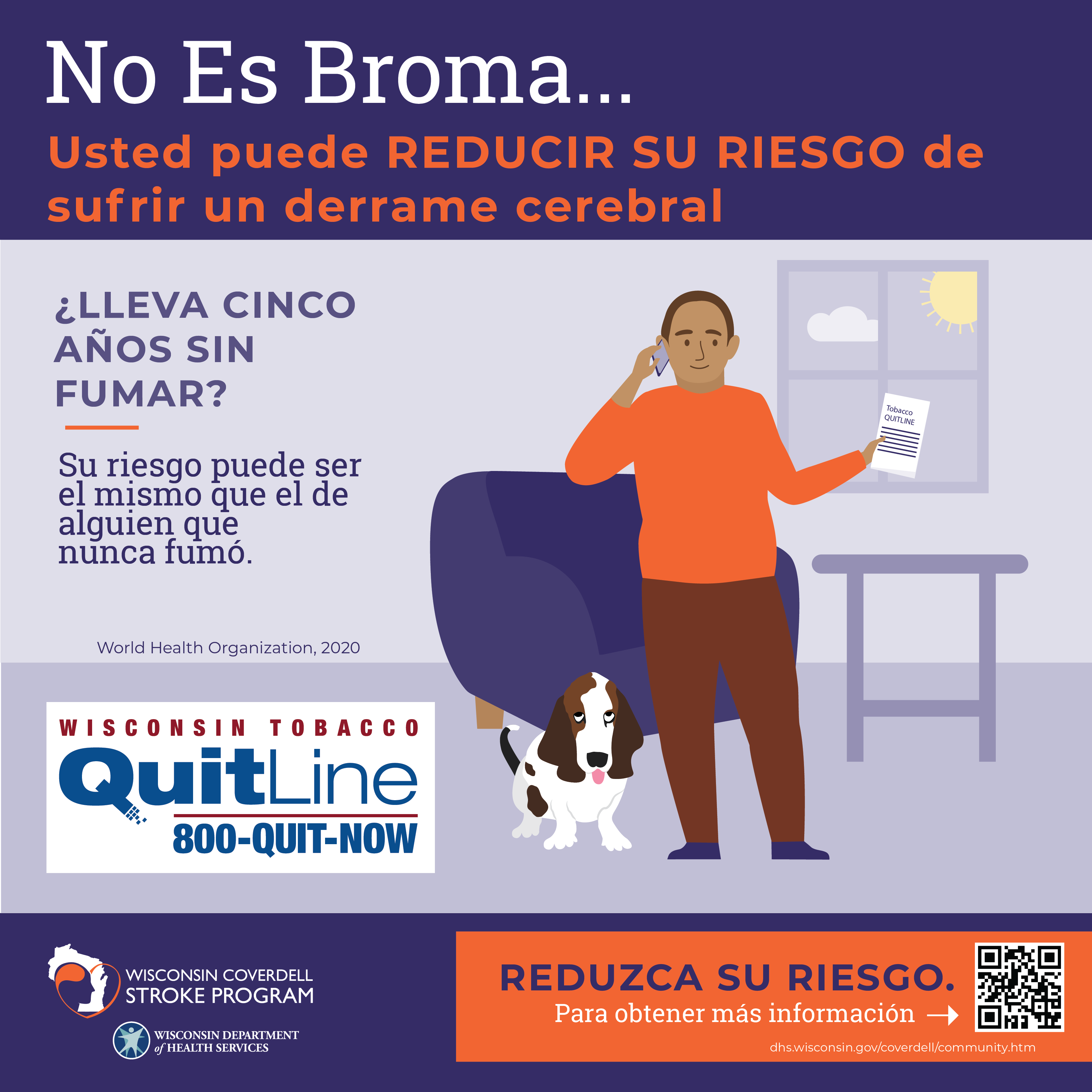
Community organizations, hospitals, EMS (emergency medical service) providers, and other patient care areas may download the PDF files, add their logo (optional), and print. Materials are organized by language (English, Spanish, Hmong, Russian, and Somali.
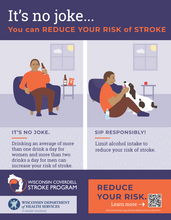
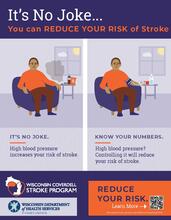
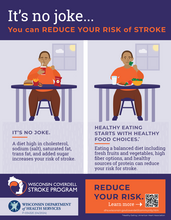
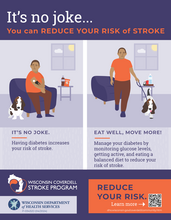
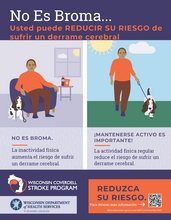
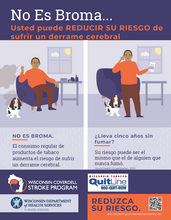
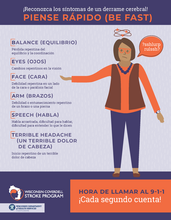
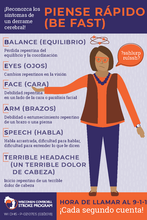
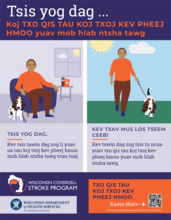
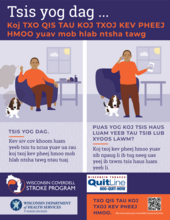
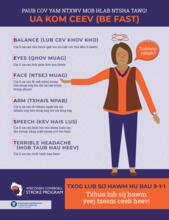
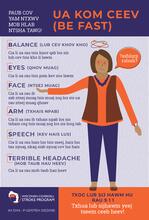
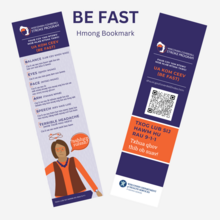
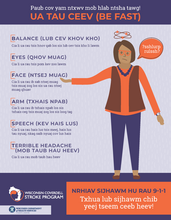
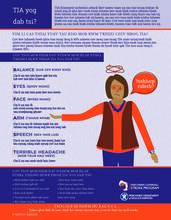
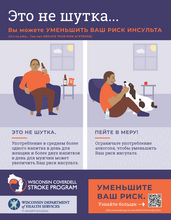
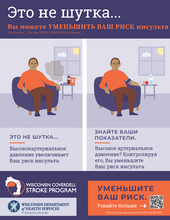
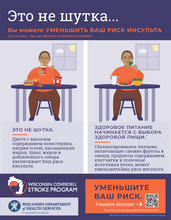
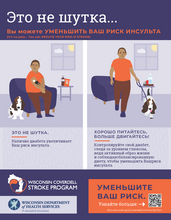
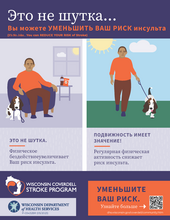
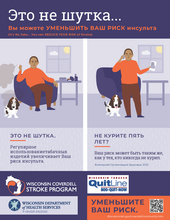
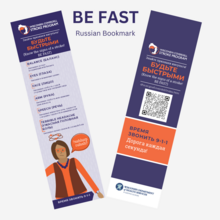
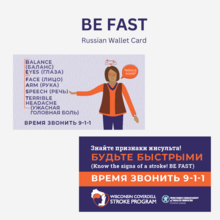
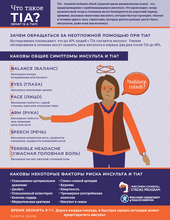
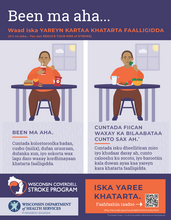
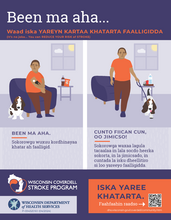
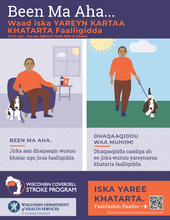
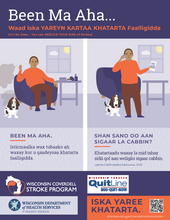
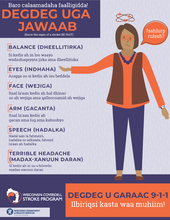
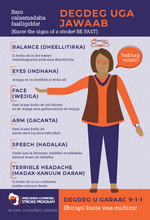
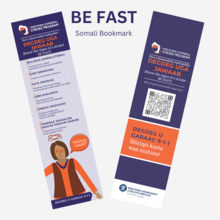
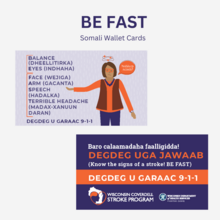
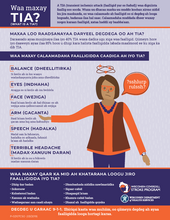
Production-ready artwork for promotional materials
Is your organization working on a stroke risk management or stroke awareness campaign? Download and use these branded PDF files to produce ad campaigns or ad specialty items.
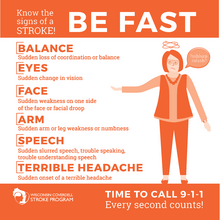
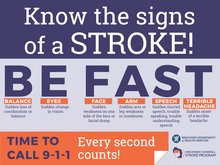
BE FAST (stroke symptom awareness) advertising files:
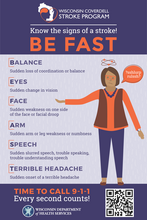
Stroke risk factor advertising files:
Wisconsin Coverdell Stroke Program success stories
The Wisconsin Coverdell Stroke Program highlights the great work of community, EMS, and hospital partners across the state in stroke care.
Want to be featured as the next Coverdell success story? Contact Kyleen Maccoux at Kyleen.Maccoux@dhs.wisconsin.gov about highlighting your organization's achievements in stroke care including quality improvement projects, best practice, or partnerships.

The hard work of staff at Ascension Columbia Saint Mary’s Milwaukee paid off. They earned a Comprehensive Stroke Center Certification through The Joint Commission in December 2020. This story describes the lessons learned, barriers and challenges, and success factors. It also shows how Ascension Columbia Saint Mary’s Milwaukee maintains success.
The City of West Allis Fire Department increased stroke pre-notification documentation by educating paramedics and partnering with Advocate Aurora West Allis Medical Center. This partnership assists them in providing the best care to stroke patients in their community.
Froedtert Health partnered with three local students from the LAUNCH Medicine and Healthcare Strand to create a stroke awareness campaign. The campaign includes a stop animation video titled Stroke Prevention with Craig, which highlights the signs and symptoms of a stroke and the importance of calling 911.

Creating a Community: Ascension All Saints Stroke Support Group, P-01870K (PDF)
Ascension All Saints Hospital in Racine, Wisconsin created a community for stroke survivors, caregivers, and their loved ones within their monthly Stroke Support Group. This group allows attendees to access resources, education, and connect with others with shared experiences to increase resilience after stroke. This story describes the lessons learned as Ascension All Saints Hospital created and grows their Stroke Support Group. Learn more about starting a support group on American Stroke Association's Starting a Support Group page and find a support group near you with American Heart Association's Stroke Support Group Finder.
Additional resources
Explore these trusted organizations for additional prevention, education, and recovery resources:
- American Heart Association
- American Stroke Association
- CDC: Division for Heart Disease and Stroke Prevention
- CDC: Division of Nutrition, Physical Activity, and Obesity
- CDC: Stroke
- Million Hearts
- National Association of Emergency Medical Technicians
- CDC: Paul Coverdell National Acute Stroke Program
- Wisconsin Coverdell Stroke Program: Publications and Materials
- Wisconsin Department of Health Services—Chronic Disease Prevention Program
- World Stroke Organization
- CDC video: What Happens in the Ambulance During a Stroke?
Contact us
Wisconsin Coverdell Stroke Program
DHSCoverdellStroke@dhs.wisconsin.gov
Federal funding statement
This program is supported by the CDC (Centers for Disease Control and Prevention) of the U.S. Department of Health and Human Services (HHS) as part of a financial assistance award totaling $666,524 with 100 percent funded by CDC/HHS. The contents are those of the author(s) and do not necessarily represent the official views of, nor an endorsement, by CDC/HHS, or the U.S. Government.